Backpack and tZERO Win CFTC Approvals for U.S. Derivatives Infrastructure

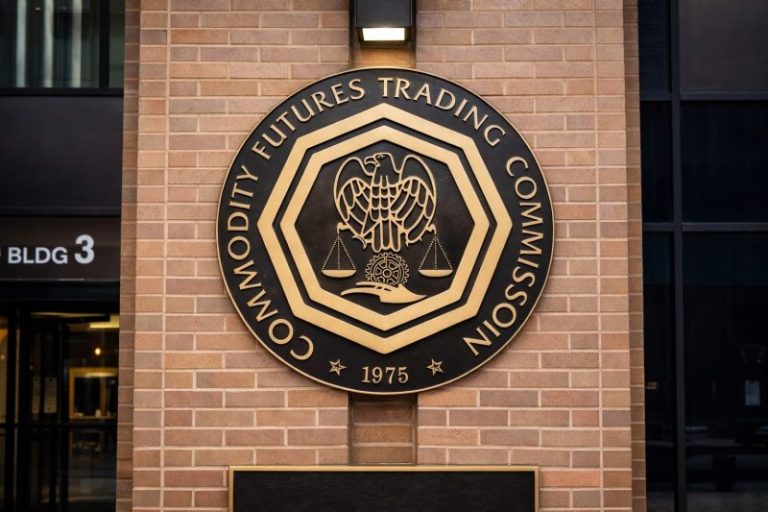
The Commodity Futures Trading Commission has approved exchange and clearinghouse registrations for Backpack and tZERO, expanding regulated U.S. derivatives infrastructure. The decisions give both companies a foundation for derivatives trading and clearing as blockchain technology gains ground in financial markets.
Backpack secured its exchange designation on November 16, following its clearinghouse registration on November 13. Meanwhile, tZERO announced its exchange approval on November 11, after the regulator registered its clearing subsidiary on October 16. The approvals cover separate entities responsible for trading and clearing.
Different Paths Into Derivatives
The CFTC authorized Backpack’s TLD Clearing to clear margined futures, alongside fully collateralized futures, options on futures and swaps. Its exchange order requires TLD Markets to clear all listed contracts through a registered clearinghouse. The company also retains responsibility for market surveillance and enforcing trading rules.
For tZERO, the registrations extend an existing business that supplies financial infrastructure to institutions and other partners. The company said it can now develop derivatives exchange and clearing services through its own regulated entities. Those capabilities complement its securities trading, custody and settlement operations.
The tZERO approvals also satisfy the first earn-out milestone under its proposed merger with FG Imperii Acquisition Corp. However, that regulatory milestone does not complete the merger. The company described the registrations as a foundation for developing additional products and institutional services.
Blockchain Faces Established Standards
CFTC Chairman Michael Selig said November 16 that blockchain-based trading and settlement can operate within the agency’s existing framework. He described the approvals as evidence of a regulated pathway for new market infrastructure. His statement addressed a blockchain-based firm without naming it.
However, Selig emphasized that companies using newer technology must meet the same standards as traditional exchanges and clearinghouses. Those obligations include anti-money laundering programs, customer fund protections, market surveillance and financial resources. They also encompass risk management policies and safeguards for trading systems.
The decisions establish regulatory foundations, while the companies continue developing their offerings. Backpack’s designation requires ongoing compliance with federal derivatives law and CFTC rules. For tZERO, the next phase centers on turning its expanded permissions into services that financial institutions and other market participants can use.