
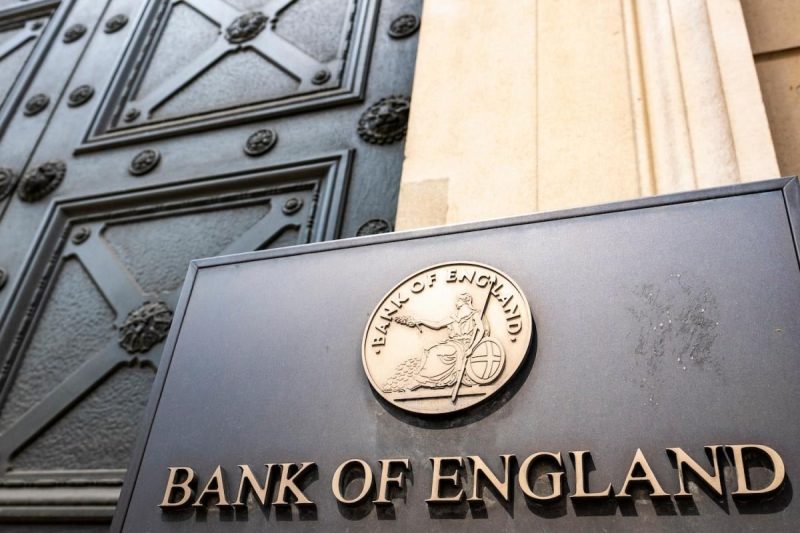
London — The Bank of England (BoE) has released a consultation that would temporarily cap holdings of “systemic” sterling stablecoins at £20,000 per person and £10 million per business, laying the groundwork for a full stablecoin regime in the UK.
What the BoE Is Proposing
The BoE’s draft framework focuses on sterling stablecoins that HM Treasury labels systemic—tokens used widely for payments and judged to carry material financial stability risk. The consultation runs through February 10, 2026, and final rules are expected to kick in later next year.
Key elements include:
- Transitional holding caps: £20,000 for individuals and £10 million for businesses, applied only during early adoption. The BoE says it would lift these limits once broader systemic risks subside.
- Strong reserve backing: Issuers of systemic stablecoins would hold up to 60% of reserves in short-term UK government debt and at least 40% as unremunerated deposits at the BoE to support liquidity and redemptions during stress.
- Split oversight: Stablecoins that are not designated systemic would remain under the FCA’s lighter regime, keeping day-to-day supervision aligned with existing market conduct rules.
This approach aims to let payment-grade stablecoins grow in a controlled way while the central bank monitors any knock-on effects across funding markets and retail deposits.
Why These Caps Matter
The BoE argues that the UK banking system relies heavily on deposits. If consumers and businesses rapidly move money into stablecoins, banks could face funding pressure and reduce credit to the real economy. The caps provide guardrails during the rollout, much like speed limits in a construction zone. They also buy time for supervisors to test redemption mechanics, observe user behavior, and refine thresholds before systemic volumes build.
Moreover, the reserve mix—gilts plus BoE deposits—tries to balance liquidity, safety, and operational simplicity. It gives issuers a clear blueprint, and it anchors redemption capacity to high-quality assets that perform reliably in stress.
Industry Pushback—and the Practical Hurdles
Crypto trade groups and several executives say the caps are too tight and operationally messy. They argue that enforcing per-user limits across decentralized wallets could require complex tracking of on-chain holdings, custodial accounts, and intermediaries—work that may be costly or infeasible at scale. Critics also warn the UK could cede ground to jurisdictions with looser rules, especially if payment volumes hit the cap quickly and stall mainstream adoption.
Supporters counter that a measured launch can boost confidence. If issuers meet the reserve standards and redemption works smoothly, the BoE could remove the caps earlier, clearing the path for larger payment flows without jolting bank funding.
As the consultation unfolds, several questions will shape the final rulebook:
- How the UK will define “systemic” in practice, including thresholds and metrics.
- Whether the BoE will allow alternative methods to monitor caps without intrusive user surveillance.
- How and when the transitional limits will phase out, plus any triggers tied to market stability indicators.
For issuers and payment firms, the message is straightforward: design for high-quality reserves, transparent redemption, and early-phase limits on holdings. For UK users, expect guardrails at launch, with room to expand as the market proves itself. In the bigger picture, the UK is trying to thread the needle—advancing crypto payments while protecting financial stability—setting up an instructive comparison with the U.S. and EU over the next year.
