
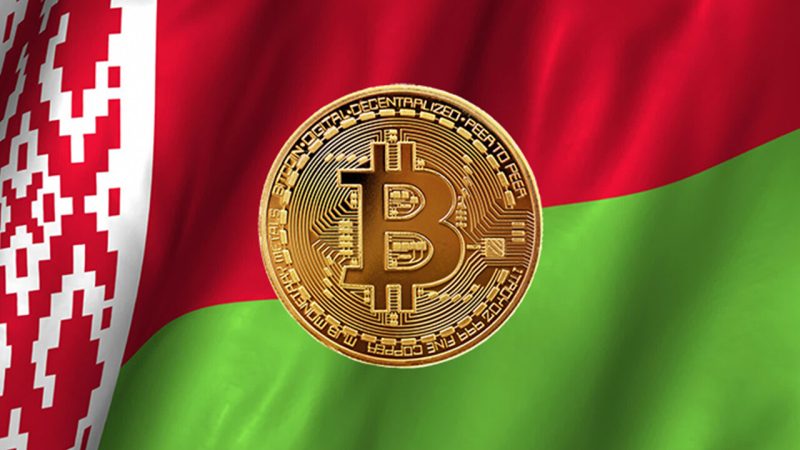
Belarus has moved closer to confirming its position as a crypto-friendly jurisdiction. On January 16, 2026, President Alexander Lukashenko signed Decree No. 19, a new law that officially recognizes crypto banks within the country’s financial system. The decision creates a legal pathway for institutions that combine digital asset services with traditional banking operations.
The decree reflects Belarus’s long-standing interest in regulated blockchain innovation. Since legalizing crypto activities in 2017, the country has experimented with digital finance under state supervision. This latest step signals a deeper commitment to blending crypto services with conventional finance rather than treating them as separate sectors.
How the Crypto Bank Framework Works
Under Decree No. 19, a crypto bank must operate as a joint-stock company. It can provide token-based services alongside standard banking and payment solutions. However, the law sets clear entry requirements to control risk and ensure oversight.
To qualify, an institution must meet the following conditions:
- Be a registered resident of the Belarus High-Tech Park.
- Enroll in a special crypto bank registry managed by the National Bank of Belarus.
- Comply with both financial and technological regulations.
This structure allows regulators to encourage innovation while maintaining financial stability.
Dual Oversight and Market Potential
Crypto banks will answer to two authorities. The High-Tech Park Supervisory Board will oversee innovation and technology standards. Meanwhile, the National Bank will monitor compliance, liquidity, and consumer protections. Therefore, the model blends tech-focused supervision with traditional banking controls.
Supporters believe this approach could attract blockchain startups and foreign investors. Potential services may include tokenized deposits, digital asset custody, and hybrid lending products. These offerings could appeal to users who want crypto exposure without leaving the familiar banking environment.
However, experts warn that strong safeguards remain essential. Regulators must address anti-money-laundering rules, cybersecurity risks, and customer protection. If managed well, Belarus could become a regional testing ground for crypto banking. If not, weaknesses could quickly surface.
