
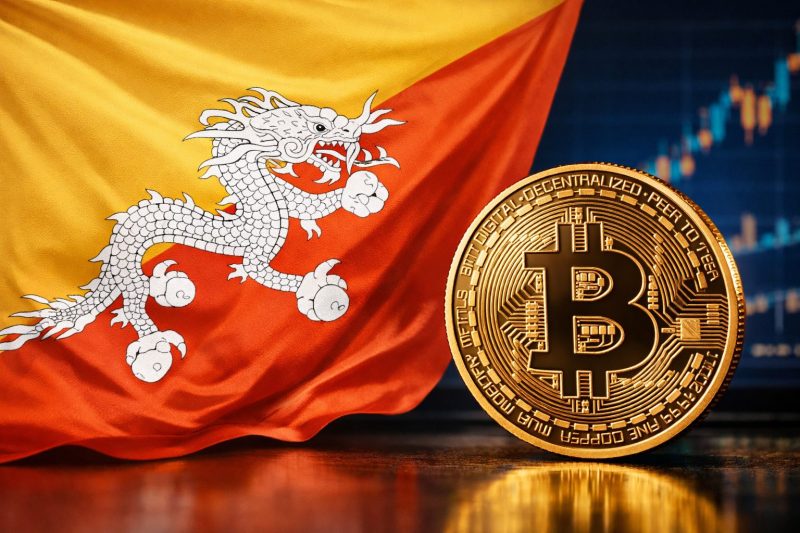
Bhutan has transferred another 500 Bitcoin to crypto exchanges, signaling a steady selling strategy in 2026. Blockchain data shows the Himalayan nation has now moved more than $150 million worth of Bitcoin this year alone.
The latest transfers suggest Bhutan is taking advantage of strong Bitcoin prices. Analysts noted that the funds moved to exchange-linked wallets, which often indicates an intent to sell rather than reorganize holdings. However, officials have not released any public statement about the activity.
Bhutan’s Strategic Bitcoin Approach
Bhutan built its Bitcoin reserves through state-backed mining projects powered by hydropower. This clean energy advantage helped the country mine Bitcoin at a lower cost compared to many regions.
Over time, Bhutan quietly became a notable player in the crypto space. Now, it appears to be shifting focus from accumulation to monetization.
Key highlights of Bhutan’s crypto strategy include:
- Use of renewable hydropower for mining operations
- Long-term accumulation of Bitcoin reserves
- Gradual selling during favorable market conditions
This approach allows Bhutan to balance sustainability with financial returns.
Why Bhutan Is Selling Bitcoin Now
The timing of these sales suggests a calculated move. Bitcoin has shown resilience in recent months, creating an opportunity for profit-taking. Therefore, Bhutan may be converting digital assets into cash to support its economy.
Possible reasons behind the selling trend include:
- Strengthening foreign reserves
- Funding public spending initiatives
- Reducing exposure to crypto volatility
Furthermore, the steady pace of selling indicates a controlled strategy rather than panic-driven liquidation.
Market Impact and Future Outlook
Although Bhutan’s sales remain small compared to global Bitcoin trading volume, they still attract attention. Market participants often track government-linked wallets for signals about institutional sentiment.
Some analysts believe continued selling by sovereign entities could create short-term price pressure. However, others argue that such moves reflect Bitcoin’s growing role as a flexible financial asset.
Looking ahead, Bhutan may continue its gradual sales if market conditions remain favorable. At the same time, it could pause if prices weaken or domestic priorities shift. Either way, its actions highlight how governments are actively managing crypto assets in a changing financial landscape.
