
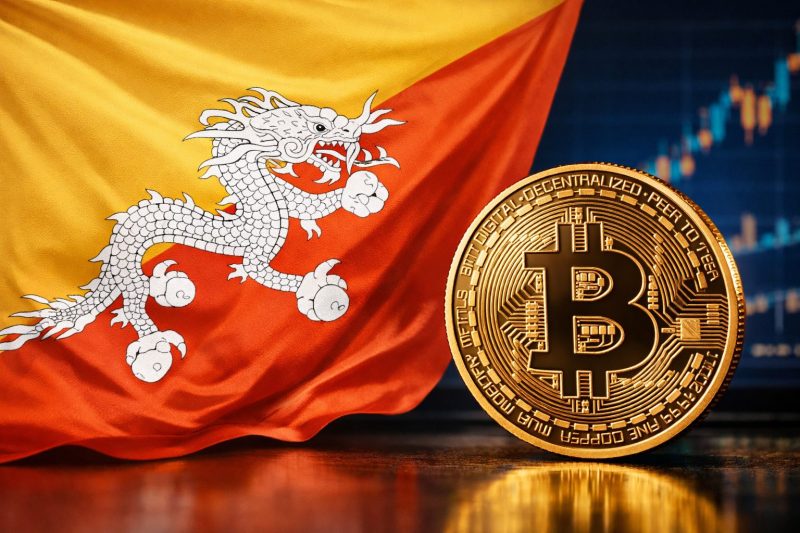
Bhutan has transferred roughly $23 million worth of Bitcoin, signaling a continued reduction in its sovereign crypto reserves. Recent blockchain data shows the country moved about 319.7 BTC into two separate wallets on Thursday, extending a broader trend seen throughout 2026.
This latest transaction adds to a series of outflows that have significantly reduced Bhutan’s visible Bitcoin holdings over time.
Steady Drop From Peak Holdings
Earlier reports indicate Bhutan once held around 13,295 BTC at its peak in 2024. However, that figure has now dropped to nearly 5,700 BTC. This marks a decline of more than 70 percent, highlighting a major shift in its crypto strategy.
So far in 2026, Bhutan-linked entities have already moved over $42 million in Bitcoin. Therefore, analysts believe these transfers are part of a planned treasury approach rather than random activity.
Key observations include:
- Consistent Bitcoin transfers throughout 2026
- A sharp decline from peak reserve levels
- Increased activity following the 2024 Bitcoin halving
Mining Origins Set Bhutan Apart
Bhutan stands out among governments because it built its Bitcoin reserves through mining instead of asset seizures. The country reportedly used hydroelectric power to support its mining operations.
Reports link these holdings to Druk Holding and Investments, the nation’s state-owned investment firm. This approach once made Bhutan one of the largest government-related Bitcoin holders visible on-chain.
However, changing market conditions may now be influencing its strategy.
Market Strategy or Liquidation?
It remains unclear whether Bhutan is selling its Bitcoin or simply reorganizing wallets. Some transfers reportedly connect to market participants, which suggests possible monetization.
At the same time, tougher mining economics after the halving event may have reduced profitability. As a result, Bhutan could be adjusting its balance sheet to manage risk and liquidity.
For investors, Bhutan offers a rare real-world example of how a sovereign entity manages crypto reserves. If this trend continues, it could shape how other nations approach Bitcoin in the future.
