Bolivia Ends 15-Year Dollar Peg as Boliviano Falls About 30%

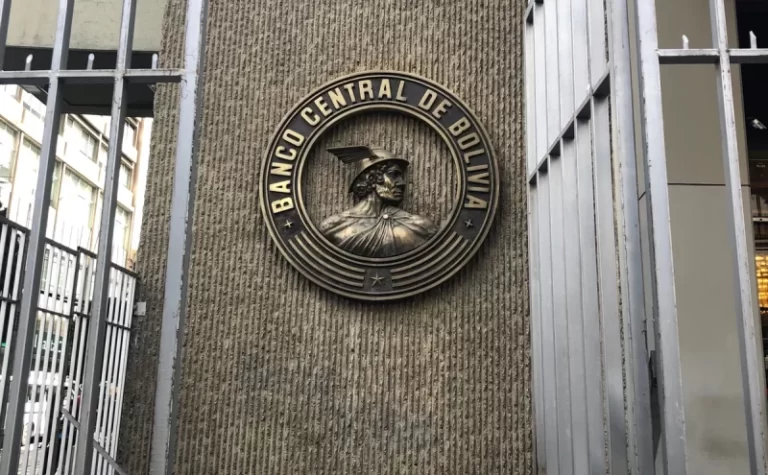
Bolivia has officially ended its 15-year currency peg to the U.S. dollar, marking one of the country’s most significant economic policy shifts in over a decade. The move effectively devalues the boliviano by about 30%, as authorities transition to a flexible exchange rate in an effort to stabilize the economy and address a prolonged foreign currency crisis.
Market Shift
The government had maintained the official exchange rate near 6.86 bolivianos per U.S. dollar since 2011. Under the new regime, the central bank updated the official reference rate to approximately 9.73 bolivianos per dollar, reflecting the currency’s new market value.
The policy change follows years of mounting pressure on Bolivia’s economy. Falling foreign exchange reserves, persistent U.S. dollar shortages, and the rapid expansion of a parallel currency market made the fixed exchange rate increasingly difficult to sustain. Officials said the new system aims to restore macroeconomic stability, improve external competitiveness, and help rebalance the country’s payments position.
Economic Challenges
The devaluation comes as Bolivia seeks international financial support while attempting to rebuild investor confidence. The country has been negotiating a multibillion-dollar financing package with the International Monetary Fund, which has previously recommended greater exchange rate flexibility as part of broader economic reforms.
Economists generally view the abandonment of the currency peg as a necessary adjustment after years of growing imbalances. However, they also caution that the success of the new regime will depend on Bolivia’s ability to replenish foreign exchange reserves, attract fresh capital inflows, and restore confidence in its financial system.
Domestic opposition remains strong. Labor groups have protested the government’s economic agenda, expressing concerns that international financing could be accompanied by fiscal austerity measures. Political tensions have intensified in recent weeks, adding another layer of uncertainty as the country navigates the transition.
The currency devaluation is expected to increase the cost of imported goods and may add inflationary pressure in the near term. Nevertheless, policymakers argue that allowing the boliviano to trade more freely is a necessary step toward correcting long-standing distortions and restoring stability after years of defending an increasingly unsustainable fixed exchange rate.