
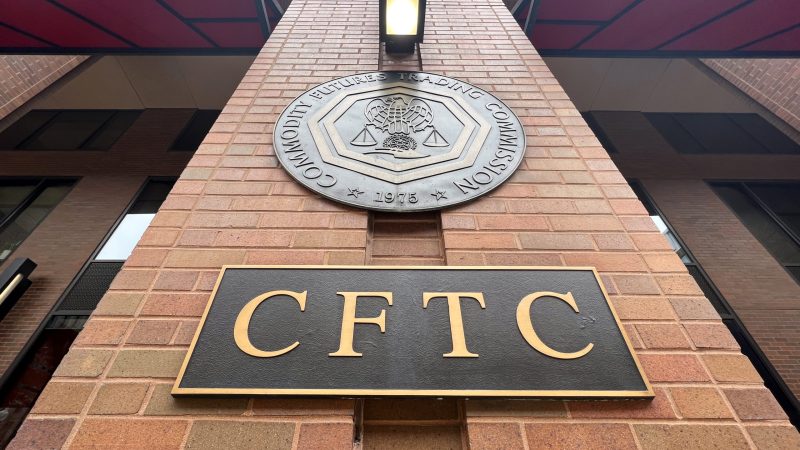
The U.S. Commodity Futures Trading Commission (CFTC) has raised serious concerns over the growing trend of election betting, warning that prediction markets are vulnerable to “spectacular manipulation.” In a recent legal filing against prediction market platform Kalshi, the CFTC emphasized the risks posed by such markets and highlighted previous cases of manipulation on competitor platforms.
CFTC Flags Past Manipulation Cases
In its September 14 filing, the CFTC referred to incidents on other platforms to underline the risk of manipulation in election betting. One example involved a group of traders who attempted to manipulate the outcome of a bet on Vice President Kamala Harris winning the 2024 U.S. presidential election on Polymarket. Another case involved a “fake poll” on the platform PredictIt that falsely indicated musician Kid Rock was leading Senator Debbie Stabenow in a Michigan Senate race. These manipulations affected contract prices, underscoring the vulnerability of prediction markets to such tactics.
Kalshi vs. CFTC: Legal Battle Over Election Betting
Kalshi, a U.S.-based prediction market, has found itself at the center of a legal battle with the CFTC over whether its election betting services should be allowed. Kalshi’s founder, Tarek Mansour, claimed a partial victory after a September 6 court ruling appeared to allow the platform to offer election markets. However, just days later, District Court Judge Jia Cobb issued a temporary stay order, halting Kalshi’s election betting operations following an emergency motion from the CFTC.
On September 12, Kalshi briefly launched its first election market, but the platform was forced to take it down just hours later after another court stay order, this time from an appeals court. The CFTC has since filed an appeal, with a key question being whether Kalshi’s operations should be regulated as “gaming” under U.S. law.
CFTC’s Arguments Against Kalshi
The CFTC has taken a strong stance against Kalshi, arguing that the potential harm from allowing widespread election betting far outweighs the financial losses the company may incur. In a September 13 filing, the CFTC dismissed Kalshi’s defense as “sophomoric,” likening their argument to a pharmacy justifying selling illegal substances by pointing out the existence of a black market. The regulator stressed that the risks to public interest from market manipulation and financial exploitation are too great to ignore.
A Broader Debate on Prediction Markets
The ongoing legal battle has broader implications for the prediction market and crypto industries. While Kalshi faces legal challenges, the court’s initial ruling in their favor was seen as a potential win for proponents of prediction markets. Some argue that allowing people to place bets on election outcomes promotes engagement and accountability. Nick Tomaino, founder of crypto fund 1confirmation, welcomed the ruling, calling it a victory for those who believe “having skin in the game is a fundamental aspect of being American.”
Despite this optimism, the CFTC remains firm in its stance that the surge in election gambling poses significant risks, and it is determined to fight the spread of such markets.
