
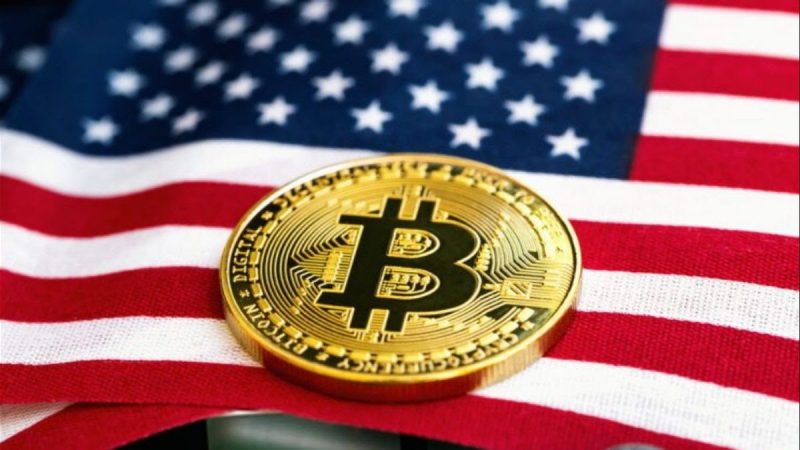
United States Representative French Hill, chair of the House digital assets subcommittee, believes two key cryptocurrency bills could make progress before the current Congress concludes. Speaking at DC Fintech Week on October 22, Hill expressed optimism that both the Financial Innovation and Technology for the 21st Century Act (FIT21) and a bill focused on stablecoin regulation could see action during the upcoming lame-duck session.
Possible Movement During the Lame-Duck Session
A lame-duck session occurs when Congress reconvenes after an election but before the new Congress begins in January. With midterm elections scheduled for November 5, there’s a limited window for legislation to advance under the current Congress.
“What we now need to see in this lame duck is what’s in the realm of possibility,” said Rep. Hill. He highlighted that the FIT21 regulatory framework and stablecoin bill have a chance of moving forward before the year ends.
Key Crypto Bills on the Table
The two bills at the center of this discussion are of great interest to the crypto industry. The FIT21 Act, which passed the House in May, aims to establish a clear regulatory framework for digital assets and would give the Commodity Futures Trading Commission (CFTC) more oversight—something many in the crypto space see as favorable compared to other regulators. However, FIT21 has stalled in the Senate banking committee.
Similarly, a stablecoin regulatory bill that passed the House Financial Services Committee, led by Rep. Patrick McHenry, in July, has also been delayed. Currently, stablecoins are governed by state-level money transmitter laws, but this bill would create a federal framework, providing clearer guidelines for issuers and users alike.
Challenges and Political Factors
Hill acknowledged that the chances of advancing these bills depend on several factors, including the outcome of the November elections and whether Congress can pass other priority legislation like the National Defense Authorization Act (NDAA). He noted that attaching financial services provisions, such as crypto regulations, to the NDAA could be a strategy to move the bills forward.
“All lame duck sessions, they take the direction from who wins the top of the ticket,” Hill explained. He emphasized that if these bills don’t pass during this session, they will become top priorities for the incoming 119th Congress.
