Currency Markets in Motion: Understanding Trends Through Real-Time Forex Data

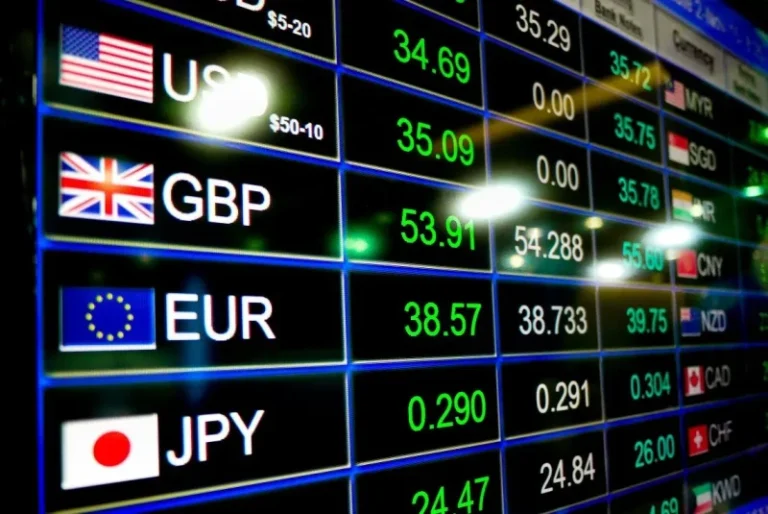
Currency markets are influenced by economic developments, monetary policy, geopolitical events, and changing investor sentiment. These factors can drive currency prices throughout the trading day, creating opportunities and risks for market participants. Understanding these movements requires traders to look beyond simple price increases or declines and consider broader market conditions.
Access to live forex charts can help traders monitor price movements and identify developing trends in real time. Charts can show direction, momentum, volatility, support, and resistance, helping traders see how currency pairs respond to changing market conditions. When combined with economic calendars, fundamental research, technical analysis, and sensible risk management, real-time data can provide a more structured foundation for evaluating potential trading decisions.
Understanding Currency Trends Through Market Activity
Real-time market information can help traders recognise changing price behaviour and understand whether movements represent broader trends or temporary fluctuations.
1. Observing Price Direction
Currency pairs can move upward, downward, or sideways depending on changing market expectations. Monitoring price action over different timeframes can help traders understand the broader direction instead of focusing only on short-term movements.
2. Recognising Market Momentum
Momentum reflects the strength and persistence of a price movement. Strong movement may indicate changing expectations among market participants, while weakening momentum can suggest that a trend is losing strength.
3. Identifying Support and Resistance
Support and resistance levels can provide useful reference points when studying currency movements. Previous price behaviour may show areas where buying or selling interest became stronger, although these levels can change as market conditions develop.
4. Comparing Currency Pairs
Studying several currency pairs can provide a broader perspective. Comparing how a particular currency performs against different counterparts may help traders identify whether observed strength or weakness is specific to one pair or part of a wider movement.
5. Watching Volatility
Economic announcements, central bank decisions, and geopolitical developments can create rapid price changes. Traders can monitor volatility through live forex charts while staying aware that faster movements can also increase trading risk.
Connecting Price Movements With Economic Developments
Charts show what prices are doing, while economic developments can help explain the conditions driving those movements. Interest-rate expectations, inflation, employment, economic growth, and monetary policy can all affect currency demand.
Central bank communication is particularly important because traders often adjust expectations before an official policy decision. Changes in expectations can influence currencies even before a formal announcement occurs.
Economic calendars can help traders identify scheduled events that may affect currency markets. Reviewing these events alongside price action can provide additional context when assessing market behaviour. However, economic releases do not always produce predictable results, and market reactions can differ depending on what traders have already anticipated.
Building A Structured Approach To Forex Analysis
Using real-time information effectively requires a clear process that combines market observation with research, planning, and risk awareness.
1. Combining Technical And Fundamental Analysis
Technical analysis examines price patterns, indicators, trends, and market structure, while fundamental analysis considers economic conditions and monetary policy. Combining both perspectives can provide broader market insight, although neither approach can guarantee a particular trading outcome.
2. Setting Clear Trading Objectives
Traders can define their preferred timeframe, objectives, acceptable risk, and potential exit conditions before entering a position. Clear planning can reduce impulsive decisions and make performance reviews more useful when evaluating whether trading decisions followed the intended strategy.
3. Maintaining Appropriate Risk Controls
Forex markets can experience sudden movements, while leverage can increase potential gains and losses. Position sizing, stop-loss arrangements, and careful exposure management can help control potential losses while supporting a more disciplined approach to trading.
4. Avoiding Emotional Decisions
Rapid price movements can trigger decisions based on fear, excitement, or previous losses. Following predefined trading criteria can reduce emotional reactions and help traders distinguish meaningful market developments from ordinary short-term fluctuations.
5. Reviewing Previous Market Behaviour
Historical data can help traders examine previous trends, reversals, and market reactions. This information can improve market understanding and support strategy evaluation, although changing economic conditions mean historical patterns may not necessarily repeat.
Managing Information During Changing Market Conditions
Forex markets can respond quickly when new information becomes available. A currency trend that appears strong can change when economic data, policy expectations, or geopolitical developments shift.
This makes flexibility important. Traders can reassess their assumptions when market conditions change, rather than continuing to rely on an outdated view. Monitoring live forex charts alongside economic developments can help provide a more current picture of price behaviour.
Information should also be prioritised. Following too many indicators, currency pairs, or market updates can complicate decision-making. A focused approach can help traders identify information that is genuinely relevant to their chosen strategy.
Using Real-Time Charts More Effectively
The usefulness of real-time charts depends on how traders interpret the information they provide. Constantly monitoring every price movement can create unnecessary noise and encourage excessive trading.
Traders can instead focus on selected currency pairs, relevant timeframes, significant technical levels, and important economic developments. This approach can make market monitoring more manageable and help maintain attention on meaningful changes.
Charting tools can also provide alerts and visual indicators that support market observation. These features can improve efficiency, but they should complement independent analysis rather than replace it. Traders should understand what each indicator measures and recognise its limitations.
Understanding currency movements requires more than observing whether a currency pair is rising or falling. Traders need to consider trends, momentum, volatility, economic developments, monetary policy, and changing market sentiment when evaluating conditions. Live forex charts can help provide a clearer view of current price behaviour and developing market trends.
However, their effectiveness depends on how they are combined with fundamental research, technical analysis, economic information, and responsible risk management. By maintaining a structured approach and avoiding emotional reactions, traders can use real-time market information more effectively while recognising that forex trading always involves uncertainty and risk.