
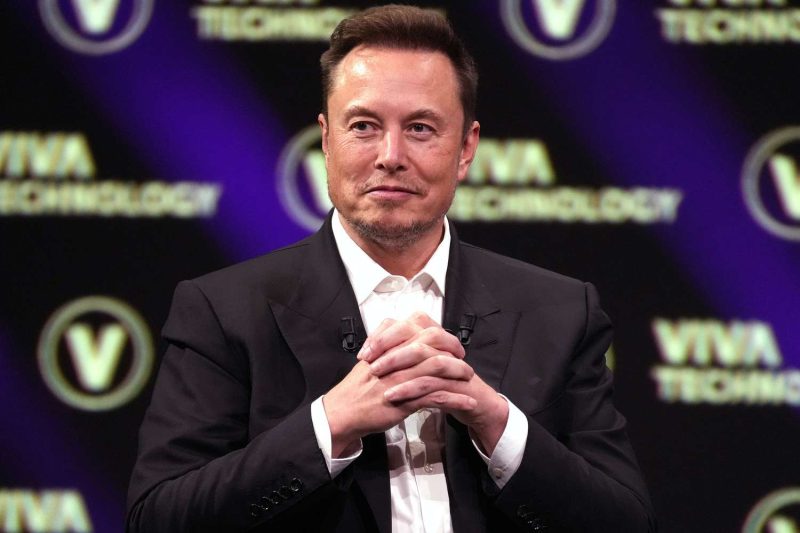
Elon Musk, the influential owner of X (formerly Twitter) and CEO of Tesla, Inc., has recently intensified his criticism of U.S. government spending, linking it to the nation’s escalating inflation and economic instability. His concerns, which gained traction after a recent interview with former U.S. President Donald Trump, have sparked widespread discussion about the financial direction of the country.
Musk’s Stance on Government Overspending
Musk has been vocal about his belief that excessive government spending is the primary driver of the severe inflation currently plaguing the U.S. During the X Spaces interview with Trump, Musk highlighted government overspending as a critical issue, noting that many people fail to understand the root causes of inflation. He stressed that unchecked spending is accelerating the nation’s financial decline.
On August 30, Musk reiterated his concerns on X, stating, “At current rates of government spending, America is in the fast lane to bankruptcy.” This comment was made in response to a post regarding the U.S. government’s Budget for Fiscal Year 2025, which projects an alarming increase in the national deficit, with plans to add another $16 trillion by 2035. Musk’s remarks resonated with many, including the libertarian community, which echoed his fears of bipartisan mismanagement over the past century.
Growing Concerns About the U.S. Economy
Musk’s warnings come amid broader concerns about the U.S. economy, which faces a precarious mix of persistent inflation and a ballooning national debt. In 2023 alone, the government spent an average of $12.65 billion per week just to cover interest on the national debt. The Congressional Budget Office (CBO) forecasts that these interest payments will rise to $17.15 billion per week in 2024, further straining the economy.
The U.S. is also grappling with sluggish GDP growth and other economic challenges. These include liquidity issues, potential breaches of debt covenants, and rising geopolitical tensions. Perhaps most concerning is the potential loss of the U.S. dollar’s status as the world’s primary reserve currency. Should foreign governments and central banks begin to divest their dollar reserves rapidly, the U.S. could face severe financial instability.
Implications for U.S. Fiscal Policy
Musk’s critique underscores a growing unease about the trajectory of U.S. fiscal policy. The convergence of unchecked government spending, mounting debt, and inflationary pressures suggests that the nation is approaching a critical financial juncture. This situation may soon force policymakers and citizens alike to confront the consequences of economic mismanagement and consider more sustainable fiscal strategies.
