Ethereum Begins Major Cryptography Overhaul as Quantum Threat Moves Closer

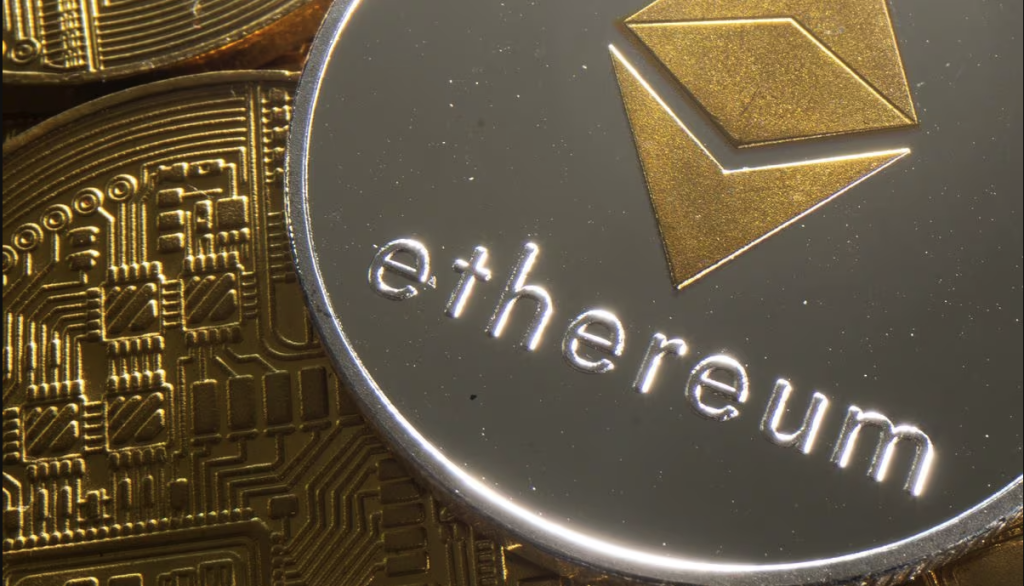
Ethereum is accelerating its preparations for a future in which quantum computers could break the cryptography protecting blockchain accounts, validators, and scaling infrastructure.
The Ethereum Foundation has made post-quantum security a dedicated focus in 2026, with a multi-year roadmap designed to replace vulnerable cryptographic systems before quantum machines become powerful enough to threaten the network. The foundation says there is no immediate danger to user funds, but a full transition could take years.
The Quantum Risk
Ethereum currently relies on several cryptographic technologies that quantum computers could eventually undermine. These include ECDSA signatures for user accounts, BLS signatures for validator consensus, KZG commitments for data availability, and cryptographic systems used by zero-knowledge applications.
The most direct concern involves Ethereum accounts that have already sent transactions. Their public keys become exposed onchain, potentially allowing a sufficiently powerful quantum computer to derive private keys in the future.
Ethereum’s roadmap therefore aims to introduce cryptographic agility, allowing the network to adopt new signature systems without requiring an abrupt overhaul of the entire ecosystem.
Building a Quantum-Resistant Ethereum
The foundation’s post-quantum program includes research into hash-based signatures, quantum-resistant verification, and new approaches to consensus and signature aggregation. Ethereum developers are also exploring account abstraction that could allow individual accounts to adopt alternative signature schemes.
The strategy reflects a broader shift toward preparing for quantum computing before it becomes an active security crisis. Ethereum’s published roadmap targets roughly 2029 for completing core post-quantum infrastructure, although developers stress that the timeline remains a planning target rather than a guaranteed deadline.
Recent research has increased the urgency. Google Quantum AI estimated in March that breaking 256-bit elliptic-curve cryptography could require around 1,200 logical qubits, substantially below earlier estimates. However, current machines remain far from the required level of reliable, error-corrected computation.
For Ethereum users, the immediate message remains straightforward: no action is required today. Wallet software is expected to support future migrations as quantum-safe signatures become available. The larger challenge will be coordinating that transition across billions of dollars in assets, decentralized applications, validators, and infrastructure.