
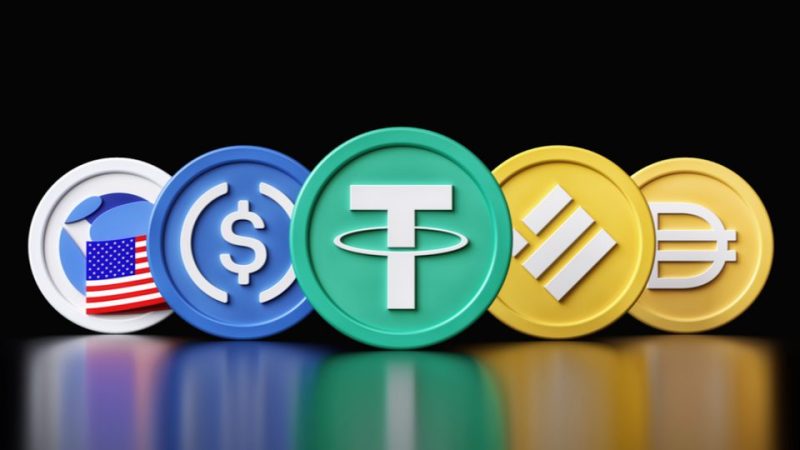
Global stablecoin transaction volume surged to a record $33 trillion over the past year, marking a major milestone for digital assets in 2025. This sharp rise shows how stablecoins have moved beyond niche crypto tools and into the heart of global payments. Industry analysts note that this level of activity now rivals, and in some cases exceeds, the transaction volume of traditional payment networks like Visa and PayPal.
Stablecoins are digital currencies pegged to fiat money, most often the U.S. dollar. Because of this structure, they offer price stability while keeping the speed and flexibility of blockchain technology. As a result, businesses and individuals increasingly rely on them for everyday financial activity.
Why Stablecoin Usage Is Growing So Fast
Several practical benefits continue to drive stablecoin adoption across markets. Users value speed, cost savings, and constant availability. Furthermore, stablecoins operate without banking hours or geographic limits, which makes them ideal for global commerce.
Key use cases fueling volume growth include:
- Cross-border payments and remittances settled within minutes
- Crypto exchange trading and liquidity management
- On-chain settlements between institutions
- Participation in decentralized finance platforms
Notably, stablecoin activity has stayed strong even during periods of weak crypto prices. Therefore, analysts see stablecoins as utility-driven assets rather than speculative tools.
Leading Stablecoins and Blockchain Networks
Tether (USDT) and USD Coin (USDC) continue to dominate stablecoin markets, accounting for most transaction volume and on-chain liquidity. However, newer blockchain networks are gaining attention. Platforms like Solana, Arbitrum, and Base offer faster processing and lower fees, which helps push stablecoin throughput even higher.
Regulatory clarity in 2025 has also played a key role. In the United States, the GENIUS Act set clear standards for stablecoin reserves and issuance. Meanwhile, Europe moved forward with its MiCAR framework. These steps encouraged banks, fintech firms, and payment providers to integrate stablecoins into existing systems.
