
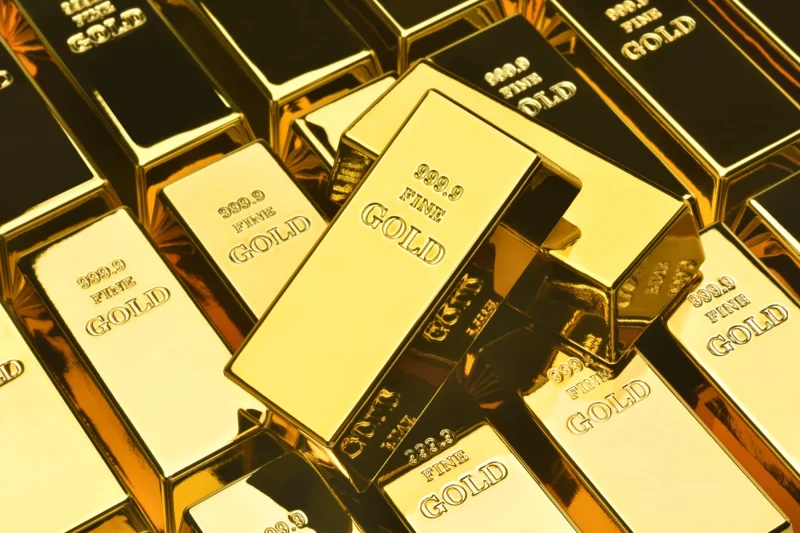
Gold prices have reached a historic high, breaking above $5,080 per ounce for the first time. The move marks a major moment for global markets and highlights growing investor anxiety. As economic and geopolitical risks rise, many traders have turned away from volatile assets and moved into gold as a safe haven.
Only weeks ago, gold traded just below $5,000 after setting repeated records near $4,967. However, steady buying pressure pushed prices higher and finally cleared the psychological barrier. As a result, portfolio managers and central banks are now reassessing their long-term exposure to precious metals.
Key Factors Fueling Gold’s Historic Surge
Several forces have worked together to drive gold prices higher. Ongoing geopolitical tensions have increased uncertainty across global markets. At the same time, concerns about slowing economic growth in the United States have weakened confidence in dollar-based assets.
Other important drivers include:
- Rising demand for safe-haven assets during periods of global instability
- Central banks increasing gold reserves to diversify away from fiat currencies
- Investor concerns about inflation and long-term currency value
Furthermore, supply conditions remain tight, which adds more pressure on prices as demand grows.
Central Banks and Institutional Investors Lead Demand
Central banks have played a major role in this rally. Many reserve managers continue to buy gold to reduce reliance on traditional financial instruments. Therefore, large-scale purchases have absorbed available supply and supported higher prices.
Institutional investors have also increased exposure. Gold-backed exchange-traded funds reported strong inflows this month. For many investors, gold offers a sense of stability during uncertain times, similar to how some view Bitcoin during market stress.
While optimism remains strong, some analysts advise caution. Rapid price gains often bring sharp pullbacks. A disciplined investment approach may help manage risk if volatility rises.
Still, gold’s move above $5,000 reinforces its role as a core asset during uncertain periods. Future price action will likely depend on interest rate decisions, inflation trends, and geopolitical developments.
