Gold Falls Below $4,200 as Rising Yields and Fed Hike Bets Pressure Bullion

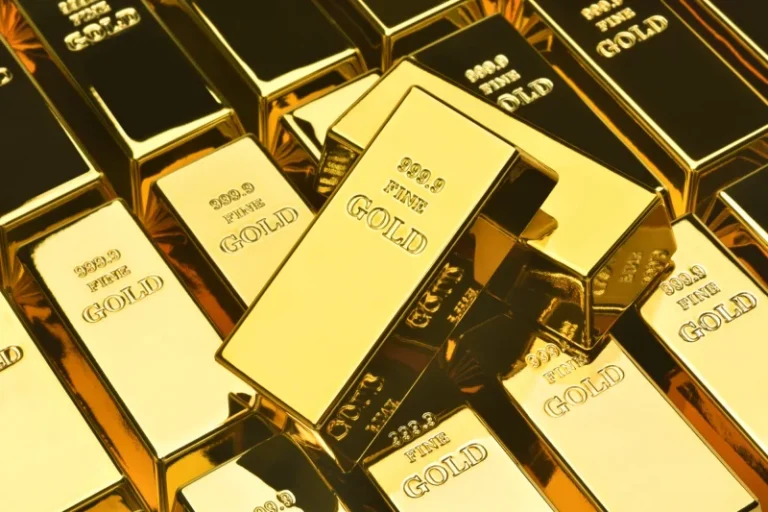
Gold fell sharply on Monday, breaking below $4,200 an ounce as higher U.S. yields and renewed expectations for Federal Reserve rate increases reduced demand for the non-yielding metal. Spot gold traded as low as its weakest level since early August, with the decline reaching roughly 2.5% during the session.
Fed Expectations Weigh on Gold
Markets have increased their expectations for another U.S. rate hike after the Federal Reserve raised its benchmark rate by 25 basis points earlier this month. Traders now see a significant probability of another increase in October.
Reuters reported last week that traders were already pricing a prolonged period of restrictive monetary policy. Fed officials have also continued to warn that inflation remains above the central bank’s target.
Higher Treasury yields can make gold less attractive because bullion does not generate interest income. A stronger dollar can add further pressure because gold trades globally in dollars.
Oil Adds to Inflation Concerns
Rising energy prices have strengthened concerns that inflation could remain elevated. That has reinforced expectations for tighter U.S. monetary policy and pushed investors toward interest-bearing assets.
Fed officials have argued that additional policy restraint may be needed to bring inflation back toward the central bank’s 2% target.
Gold’s latest decline also extends a broader pullback from its 2026 highs. The metal had benefited earlier from safe-haven demand, but higher rates have increasingly offset that support.
Investors will now watch Treasury yields, oil prices, the U.S. dollar and incoming inflation data for clues about the Fed’s next moves. Those factors are likely to remain central to gold’s direction as markets reassess the path of U.S. interest rates.