
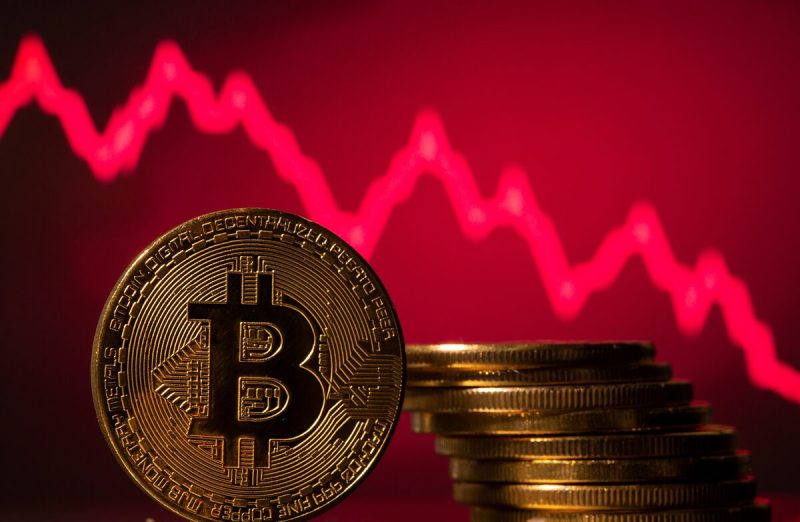
Gold, silver, and Bitcoin tumbled on Friday, January 30, as traders backed away from “easy money” bets and shifted into a risk-off mindset. Gold futures fell about 11% to roughly $4,745 an ounce. Silver took the biggest hit, sliding around 31% to near $78.53, marking one of its sharpest one-day drops in decades. Meanwhile, Bitcoin extended a rough January and dipped to about $82,000.
What sparked the sudden selloff
The mood changed fast after President Donald Trump said he would nominate Kevin Warsh to replace Jerome Powell as Federal Reserve chair. Investors quickly reassessed the “debasement trade,” a popular strategy that favors hard assets when people expect looser policy, more liquidity, and a weaker dollar.
However, many market participants view Warsh as more inclined toward tighter monetary policy than some traders had priced in. That expectation helped lift the U.S. dollar and pushed down assets that do not generate yield, such as gold and silver.
Why metals and crypto moved together
This pullback looked synchronized because the same macro forces hit multiple corners of the market at once. As traders priced in a different rate path, they reduced exposure and cut leverage. That process often triggers quick, mechanical selling.
Key factors traders pointed to included:
- A stronger U.S. dollar weighing on dollar-priced commodities
- Shifting expectations for Fed policy under a potential new chair
- Broad risk-off flows that pressured tech and other high-beta assets
- Deleveraging that can accelerate crypto swings
Bitcoin’s drop was smaller than silver’s, but it added to a month of whipsaw action. Earlier January volatility also fueled forced selling, with reports estimating a steep drop in total crypto market value alongside heavy leveraged liquidations over a short window.
Looking ahead, traders expect more volatility as markets track Warsh’s confirmation process and incoming economic data. If liquidity stays tight, crowded positioning and leverage could keep amplifying both rallies and pullbacks.
