Gold Slides Below $4,000 as Strong Dollar and Fed Outlook Pressure Market

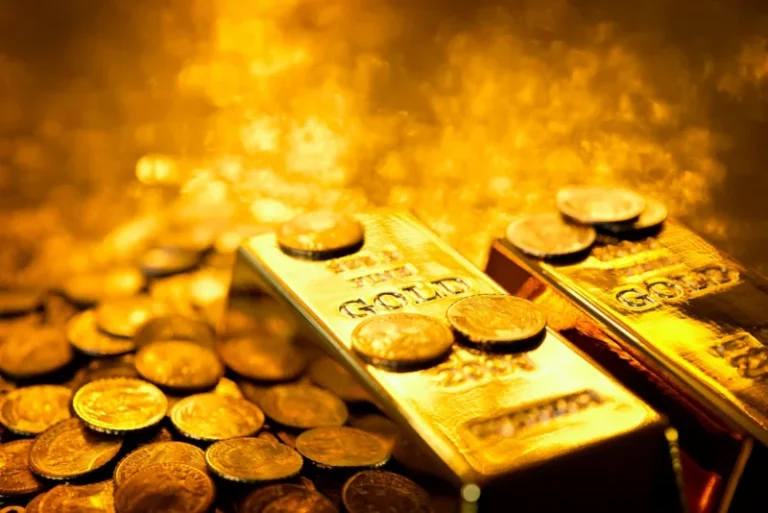
Gold prices fell below the key $4,000-per-ounce level on Wednesday for the first time since November 2025, highlighting growing pressure on the precious metal from a stronger U.S. dollar and expectations of higher interest rates.
The decline marks another setback for gold after it reached record highs in January 2026. Although spot gold briefly recovered above the threshold during trading, the move signaled a major shift in market sentiment. Since its peak earlier this year, gold has lost more than $1,500 per ounce.
Stronger Dollar Weighs on Gold Demand
Analysts say the recent rally in the U.S. dollar has been one of the biggest drivers behind the selloff. When the dollar gains strength, gold becomes more expensive for international buyers, which often reduces demand.
At the same time, investors have adjusted their expectations for U.S. monetary policy. Recent comments from Federal Reserve officials suggest interest rates could stay higher for a longer period. As a result, some investors have moved away from non-yielding assets such as gold and toward investments that offer returns.
Key factors behind the decline include:
- A stronger U.S. dollar
- Expectations of additional Federal Reserve rate hikes
- Reduced safe-haven demand
- ETF outflows and weaker investment interest
Easing Geopolitical Tensions Reduce Safe-Haven Appeal
Gold also lost support as geopolitical concerns eased. Progress in diplomatic discussions involving the Middle East has lowered some of the uncertainty that previously pushed investors toward safe-haven assets.
Furthermore, exchange-traded funds tied to gold have experienced outflows, adding to selling pressure across the market.
Can Gold Find Support?
Despite the recent weakness, some market observers believe gold could be nearing an important support area. Central bank purchases remain relatively strong, and lingering inflation concerns may help limit further declines.
However, several financial institutions have lowered their forecasts for the second half of 2026. They expect elevated interest rates and continued dollar strength to remain challenges for gold prices.
Investors are now focused on upcoming U.S. inflation reports and future Federal Reserve comments, which could determine whether gold stabilizes or extends its downward trend.