Iran Introduces Bitcoin-Based Insurance Platform for Ships Crossing Hormuz

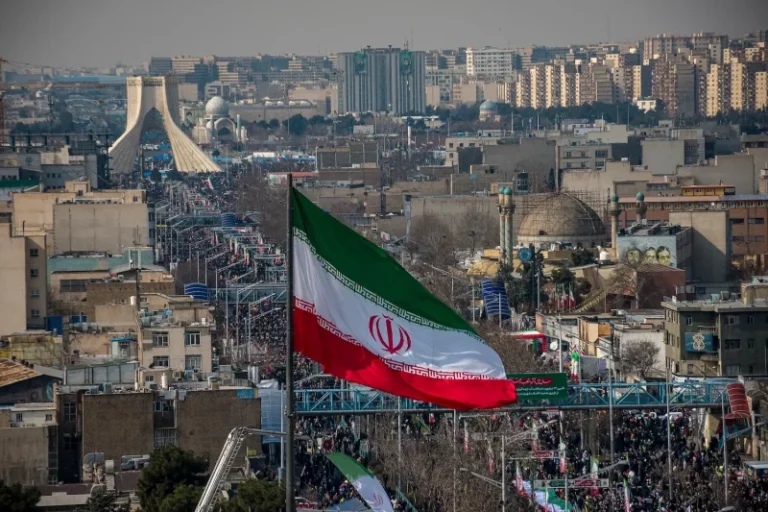
Iran has launched a new Bitcoin-backed maritime insurance system designed for shipping companies operating through the Strait of Hormuz. The platform, reportedly named “Hormuz Safe,” allows vessel operators to pay for insurance coverage and safe-passage services using Bitcoin and selected stablecoins.
According to reports from Bloomberg, CoinDesk, and regional media outlets, the initiative marks one of the clearest attempts yet to integrate cryptocurrency into global trade and shipping infrastructure.
Iran Expands Crypto Use in Global Trade
The Strait of Hormuz remains one of the world’s most important shipping routes. Nearly 20% of global oil supplies move through the narrow waterway, making any policy changes in the region highly important for energy markets and maritime businesses.
Under the new system, shipping firms reportedly need to provide:
- Vessel registration documents
- Cargo information
- Ownership details
- Transit authorization requests
After approval, companies can settle insurance premiums and transit-related charges using Bitcoin, yuan, or approved stablecoins.
Reports suggest the Islamic Revolutionary Guard Corps (IRGC) plays a major role in managing the platform. The crypto-based structure aims to reduce reliance on the SWIFT banking network and minimize exposure to Western sanctions enforcement.
Crypto Payments Could Generate Massive Revenue
The latest move builds on Iran’s earlier crypto payment experiments introduced during regional ceasefire discussions in April. Tehran previously proposed a transit fee of about $1 per barrel for oil tankers crossing Hormuz.
Analysts at TRM Labs estimated that a large-scale crypto toll framework could generate hundreds of millions of dollars monthly if widely adopted.
Furthermore, the system highlights how digital assets are increasingly being used beyond trading and speculation. Governments facing sanctions or banking restrictions may now view blockchain infrastructure as an alternative tool for international commerce.
Regulatory and Cybersecurity Risks Remain
Despite the potential benefits, the initiative raises serious compliance concerns for shipping firms and insurers.
Sanctions experts warn that companies interacting with Iranian crypto payment systems could face legal risks under U.S. sanctions laws. In addition, cybersecurity concerns are growing after reports surfaced about scammers demanding fake Bitcoin payments from commercial vessels near the strait.
If Hormuz Safe gains traction, it could encourage other sanctioned economies to explore cryptocurrency-based insurance and payment systems for global trade.