Ledger Hardware Wallet Compromise Raises Concerns Beyond Southeast Asia

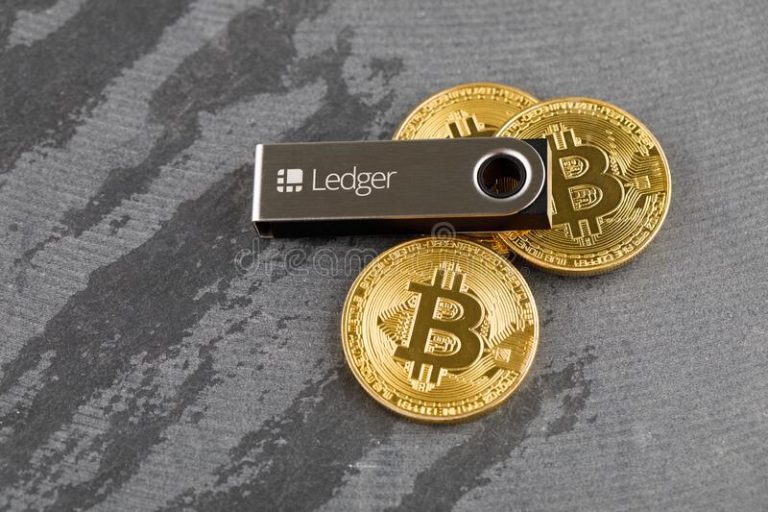
Reports of potentially tampered Ledger hardware wallets have emerged beyond Southeast Asia, raising concerns about the security of cryptocurrency storage devices and the integrity of retail distribution channels. However, Ledger says all confirmed cases of cryptocurrency theft identified so far involve devices sold through Southeast Asian reseller CryptoBilis. Reports of suspicious devices elsewhere remain unverified.
The incident has drawn attention to supply-chain risks in the cryptocurrency industry. On-chain investigators have estimated that stolen assets could exceed $90 million, although Ledger has not confirmed the total losses. The investigation has also prompted questions about how modified devices could reach customers through retail channels.
Hardware Tampering Raises Security Concerns
Ledger confirmed that investigators found an unauthorized hardware implant inside at least one device associated with the reported losses. The suspected attack involves physical modifications designed to capture sensitive information during device setup, potentially exposing recovery phrases that allow attackers to access cryptocurrency wallets.
Ledger has said its internal systems, infrastructure and direct sales channels remain unaffected. The company is contacting affected customers and working with authorities to investigate the incident.
Meanwhile, reports of suspicious devices in Europe have raised concerns that the problem could extend beyond the original reseller network. However, those reports have not established that additional cryptocurrency thefts occurred or that the wider distribution network is compromised.
Crypto Losses and Industry Response
The estimated financial damage remains uncertain. On-chain investigators have tracked suspicious transactions involving Bitcoin, Ethereum and other digital assets, with estimates varying as researchers examine the movement of funds.
CoinDesk reported on October 12 that Tether had frozen approximately $10 million in USDT linked to the suspected exploit. The intervention highlights how stablecoin issuers can sometimes restrict the movement of stolen funds, although such measures cannot recover every asset once it moves through multiple wallets or other channels.
Ledger has advised customers who purchased devices from CryptoBilis not to set up unused wallets. Customers who have already configured affected devices should consider transferring their assets to a newly generated recovery phrase on a trusted device.
The incident underscores an important limitation of hardware wallets: secure internal technology cannot guarantee safety if a device has been physically altered before reaching its owner. As the investigation continues, scrutiny is likely to focus on reseller oversight, product verification and stronger safeguards against hardware tampering.