Nigerian Central Bank Accuses Binance of Unauthorized Transactions

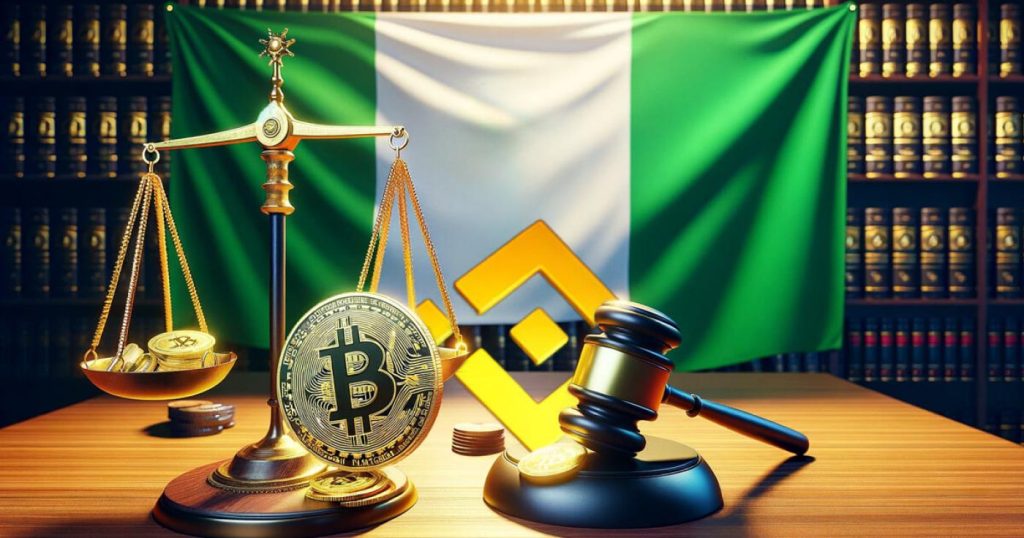
The Central Bank of Nigeria (CBN) has accused cryptocurrency exchange Binance of performing unauthorized banking services. The allegations were presented in court on July 5, where a central bank official testified about Binance’s lack of necessary licenses and regulatory approval.
Unauthorized Banking Activities
Olubukola Akinwunmi, head of payment policy and regulation at the CBN, testified before Judge Emeka Nwite of the Federal High Court of Nigeria in Abuja. He claimed that Binance conducted deposit and withdrawal transactions, activities typically reserved for banks and authorized financial institutions.
Unlicensed Currency Conversion Allegations
The Nigerian government has accused Binance and its executives, Tigran Gambaryan and Nadeem Anjarwalla, of attempting to obscure the origins of $35.4 million in financial proceeds from illegal activities in Nigeria. During the trial, Akinwunmi, led by counsel for the Economic and Financial Crimes Commission, Ekele Iheanacho, stated that Binance’s website misled Nigerians into using its platform for naira transactions via a cash link. The platform promoted fee-free deposits and flat-fee withdrawals, activities regulated by the CBN and reserved for licensed banks and financial institutions.
Akinwunmi further alleged that Binance facilitated currency conversions from naira to U.S. dollars without proper authorization from the CBN. He highlighted that traders on Binance often use pseudonyms, which contravenes laws requiring the disclosure of true identities in financial transactions.
Unauthorized Peer-to-Peer Transactions
Akinwunmi detailed the peer-to-peer transaction process on Binance, where the buying party transfers naira to the selling party’s bank account and confirms the transaction on the platform. This action prompts Binance to release the cryptocurrency or fiat currency. Akinwunmi argued that this service is a regulated activity that Binance was not authorized to perform.
Also Read: Nigerian Student Returns $14,000, Mistakenly Sent Solana Tokens
Court Proceedings and Broader Crackdown
After Akinwunmi’s testimony, the court adjourned until July 16 for the defense’s cross-examination. Judge Nwite also ordered the Nigerian Correctional Services to produce Tigran Gambaryan’s medical reports, warning of consequences for noncompliance.
This legal action against Binance is part of a broader crackdown on cryptocurrency activities in Nigeria. The National Security Adviser recently classified cryptocurrency trading as a national security issue. The CBN directed fintech startups like Opay, Moniepoint, Paga, and Palmpay to block and report accounts engaging in cryptocurrency transactions.
In response to increased government scrutiny, Binance disabled its peer-to-peer feature for Nigerian users in February. Additionally, during a virtual meeting with the Blockchain Industry Coordinating Committee of Nigeria, the Securities and Exchange Commission (SEC) called for measures to delist the naira from P2P platforms to curb market manipulation and protect the integrity of Nigeria’s capital market.