
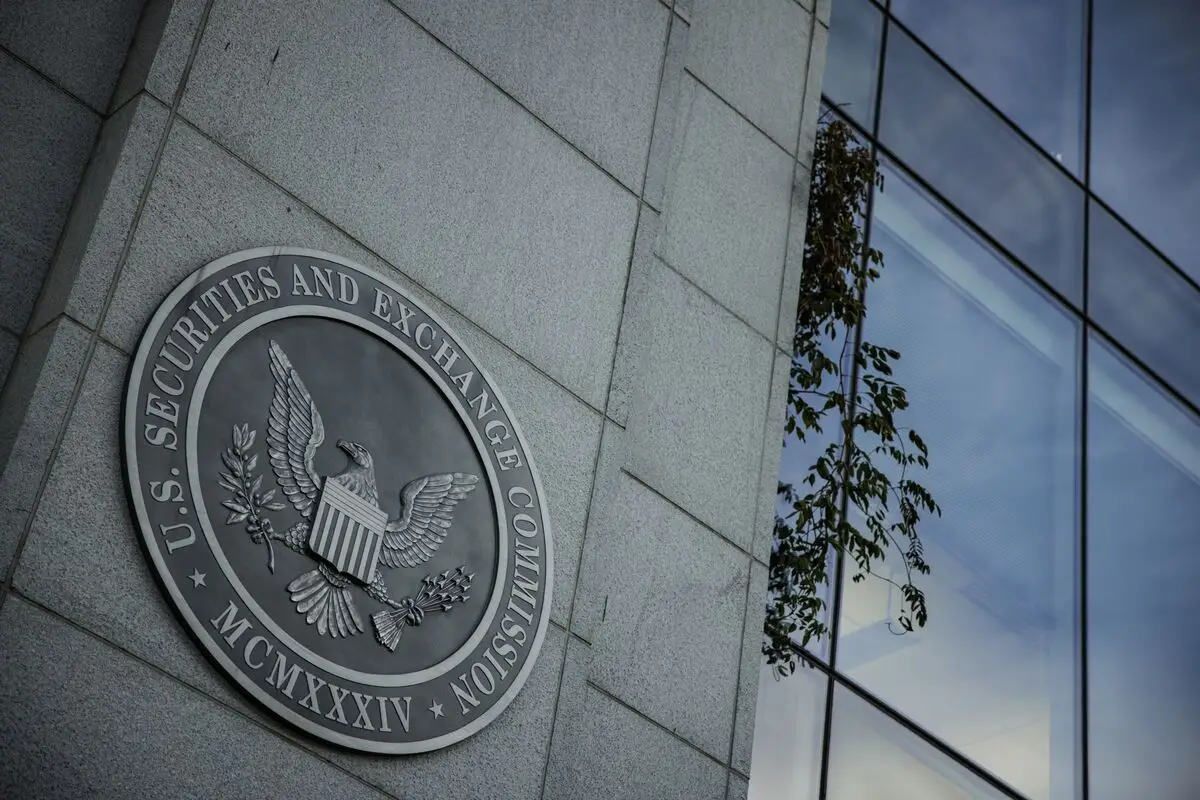
The U.S. Securities and Exchange Commission is prepared to move forward with cryptocurrency regulations using its existing authority, even if Congress does not pass the long-debated CLARITY Act. SEC Chair Paul Atkins said the agency is ready to develop and implement regulatory measures independently, signaling that the regulator does not intend to delay its crypto agenda while lawmakers continue debating comprehensive market structure legislation.
The comments highlight a significant shift in the SEC’s approach to digital assets. Rather than relying solely on Congress to establish a legal framework, the agency appears willing to use its current rulemaking powers to provide greater clarity for the cryptocurrency industry. That could offer exchanges, token issuers, and investors more regulatory certainty in the near term.
SEC Moves Ahead on Rulemaking
Atkins has consistently argued that the SEC can clarify how existing securities laws apply to digital assets while Congress works on broader legislation. He has also emphasized that comprehensive legislation would provide a more durable framework, but he believes the Commission should not remain idle in the meantime.
The SEC has already outlined plans to develop a token classification framework and consider regulatory safe harbors designed to clarify when crypto assets fall outside federal securities laws. Those efforts are intended to reduce uncertainty for market participants while maintaining investor protections.
Industry Implications
The SEC’s willingness to proceed independently could accelerate regulatory clarity for the U.S. crypto market. Market participants have long argued that unclear rules have discouraged innovation and complicated compliance efforts.
Key potential impacts include:
- Faster guidance for crypto exchanges and broker-dealers.
- Greater certainty around token classifications.
- Expanded opportunities for compliant digital asset products.
- Reduced reliance on enforcement actions as the primary regulatory tool.
Even so, comprehensive legislation such as the CLARITY Act would still be needed to establish a permanent division of responsibilities between the SEC and the Commodity Futures Trading Commission. Until then, SEC rulemaking could serve as an interim framework for the industry.
The latest remarks reinforce the Commission’s intention to move ahead with crypto regulation regardless of congressional timelines, signaling that the regulatory landscape for digital assets in the United States could continue evolving even if broader legislation remains stalled.
