
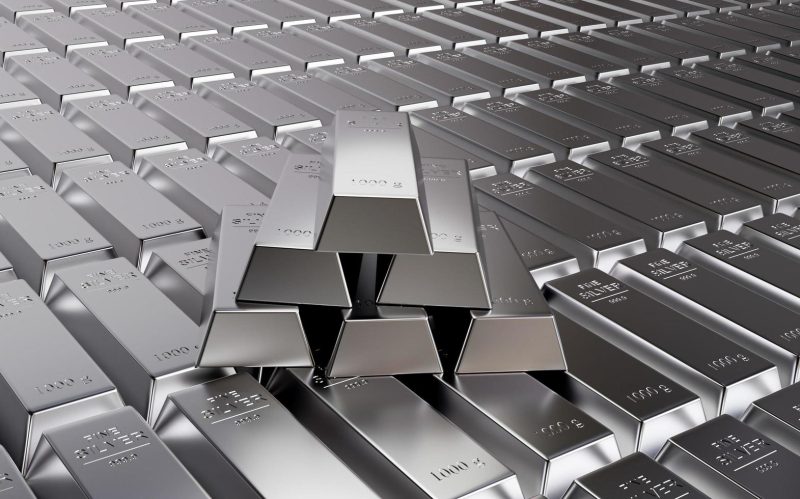
Silver has entered uncharted territory after surging to around $110 per troy ounce in early January 2026. The move pushed prices well above the key $100 level, setting a new all-time high in current market trading. Live spot charts show silver hovering near $110.05, highlighting the strength of the rally and renewed investor interest in precious metals.
Key Factors Behind Silver’s Rally
Several forces have combined to lift silver prices at an unusually fast pace. First, safe-haven demand continues to rise. Investors often turn to precious metals during times of economic stress, and recent market volatility has reinforced that behavior.
Furthermore, silver benefits from strong industrial demand. Unlike gold, silver plays a major role in manufacturing. It supports industries such as solar energy, electronics, electric vehicles, and medical devices. This dual purpose strengthens demand during both economic expansion and uncertainty.
Other important drivers include:
- Ongoing global supply deficits that have reduced available inventories.
- Growing expectations that major central banks may cut interest rates.
- A weaker outlook for global growth, which has increased hedging activity.
Together, these factors have pushed silver beyond its traditional trading range and into triple-digit prices.
How This Compares to the Past
Silver has reached historic levels before, but today’s market looks very different. In 1980, prices spiked to about $49.45 per ounce during the Hunt brothers episode. However, that surge happened under unique conditions and a much smaller market structure. By contrast, the current rally reflects broader participation from institutional investors and sustained industrial use.
Analysts view the move above $110 as a major technical milestone. However, rapid gains often bring higher volatility. Short-term profit-taking could trigger sharp pullbacks. Even so, silver’s strong fundamentals may continue to attract long-term investors if supply remains tight.
