
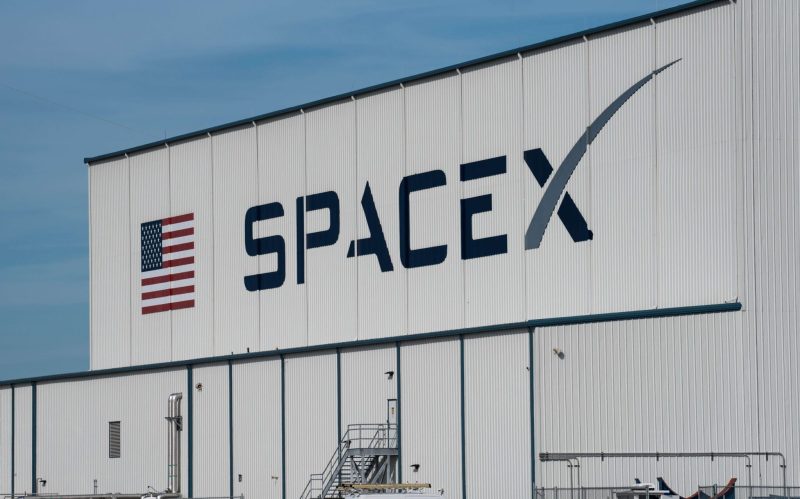
SpaceX and Nvidia are moving AI infrastructure beyond Earth, with a space-optimized version of Nvidia’s Vera Rubin NVL72 system planned for the Starmind AI1 satellite. Elon Musk said the companies are targeting an orbital launch in the fourth quarter of 2027, followed by significant expansion in 2028.
The project marks a major step in SpaceX’s effort to build computing infrastructure in orbit. Nvidia has confirmed that Starmind AI1 will use its Vera Rubin architecture, while SpaceX says the satellite will combine onboard computing with high-bandwidth laser links to the Starlink network.
Orbital AI Moves Toward Deployment
The Vera Rubin NVL72 normally serves as a rack-scale AI system with 72 Rubin GPUs and 36 Vera CPUs. SpaceX and Nvidia are adapting that architecture for the demanding conditions of space.
SpaceX says Starmind satellites will use solar power and radiative cooling while processing AI workloads in orbit. The company also plans to manufacture the satellites at its Gigasat Factory in Texas, with production potentially reaching thousands of spacecraft.
The system is designed to send processed results through laser links rather than continuously transmitting large volumes of raw data to Earth. That approach could reduce bandwidth requirements and enable faster AI services.
Scaling AI Beyond Earth
The commercial case rests on several advantages. Space-based systems can access continuous solar energy in sun-synchronous orbit and avoid many terrestrial constraints involving land, electrical grids and cooling infrastructure.
However, orbital deployment also creates major challenges. Launch costs, radiation exposure, hardware reliability, thermal management and satellite manufacturing must all support large-scale operations.
Nvidia has positioned Vera Rubin as a major platform for high-performance AI inference and training. SpaceX’s adoption could therefore create a new market for Nvidia technology while giving SpaceX another path to expand computing capacity for AI applications.
The companies are targeting 2027 for the first launches, with larger-scale deployment expected in 2028.
