Treasury Yields Keep Rising as Bessent’s $6 Billion Buyback Fails to Calm Markets

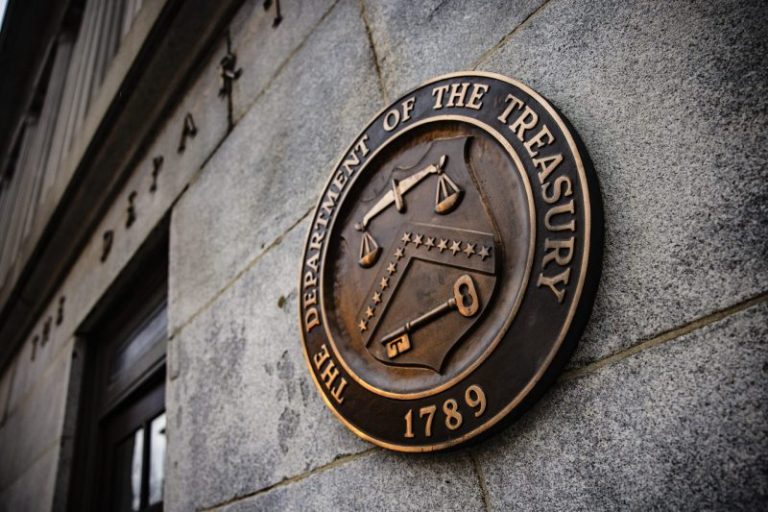
U.S. Treasury yields continued climbing Wednesday despite Treasury Secretary Scott Bessent’s decision to expand government bond buybacks to $6 billion. Investors viewed the move as too small to counter mounting pressure across the long-term debt market.
The 10-year Treasury yield approached 4.86%, reaching its highest level since late 2023. Mean while, the 30-year yield moved above 5.2%, highlighting persistent concerns about inflation, government borrowing and the supply of long-term debt.
Bessent’s Bigger Buyback Meets Investor Doubts
The Treasury plans to purchase up to $6 billion of 10- and 20-year government bonds. That represents a sharp increase from the previous $2 billion operation and exceeds the $4 billion minimum Bessent had previously discussed.
However, investors had expected an even larger intervention. Some market participants had anticipated purchases of $7 billion to $10 billion.
The disappointment shows how difficult it may be for Treasury to influence long-term yields through buybacks alone. Treasury purchases can reduce the amount of outstanding debt available to investors and support bond prices. Higher bond prices generally translate into lower yields.
Yet the Treasury market is enormous, and the government continues to issue large amounts of debt to finance its operations. That supply pressure can overwhelm relatively small buyback operations.
Inflation and Oil Add More Pressure
Higher energy prices are adding another challenge. Brent crude has climbed above $100 a barrel as the conflict involving Iran continues to disrupt markets.
Investors are also watching inflation closely. Higher oil prices could keep inflation elevated and reduce expectations for easier monetary policy. That creates another reason for investors to demand higher returns on longer-term Treasury securities.
The rising yields matter well beyond government bonds. Treasury rates influence mortgage costs, corporate borrowing and valuations across financial markets.
For Bessent, the latest market reaction underscores the limits of using buybacks to reverse a broader bond selloff. Unless inflation, fiscal concerns and debt supply pressures ease, investors may continue demanding higher yields despite Treasury intervention.