
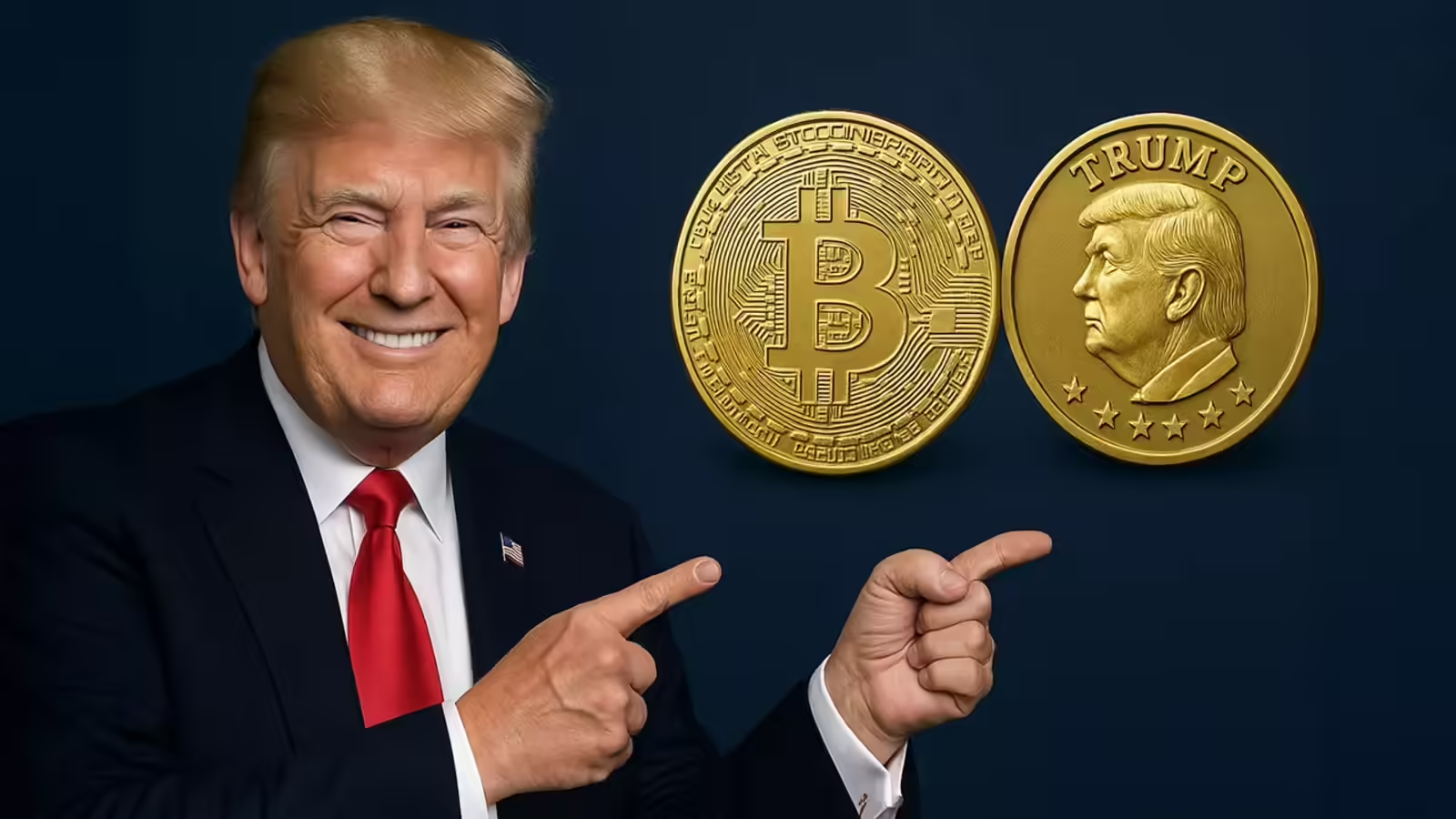
Push for Digital Asset Leadership
At the World Economic Forum in Davos, U.S. President Donald Trump announced that he plans to sign a comprehensive cryptocurrency market structure bill “very soon.” The move highlights his administration’s goal to position the United States as the world’s center for digital asset innovation and blockchain development.
A Shift Toward Federal Crypto Oversight
Speaking in Switzerland, Trump described the bill as a strategic step toward securing America’s leadership in financial technology. He emphasized that his administration is determined to implement clear federal guidelines for digital assets, marking a major shift from earlier U.S. policies that left crypto regulation largely fragmented across states.
Last year’s GENIUS Act laid the foundation by creating the first national framework for stablecoins. The law required stablecoin issuers to maintain reserves in safe, low-risk assets, setting a precedent for accountability and transparency. The upcoming bill is expected to take that progress further by establishing how digital assets are traded on exchanges and clarifying oversight roles between the Securities and Exchange Commission (SEC) and the Commodities Futures Trading Commission (CFTC).
Industry and Market Response
Crypto companies and investors have largely welcomed the news, viewing the pending legislation as a sign of growing regulatory clarity. Clearer rules, many argue, could attract more institutional investors and improve consumer confidence. However, some policymakers warn of potential conflicts of interest, given the rising political and financial ties between certain officials and crypto ventures.
Analysts suggest the bill could reshape global markets by integrating digital assets more deeply into the U.S. financial system and reinforcing the dollar’s dominance in global trade.
If signed into law, this bill could mark one of the most transformative moments in U.S. crypto regulation. Market participants and regulators worldwide are now waiting to see the final language of the legislation and how quickly it will be enacted.
