Trump Sets 2031 Deadline for Post-Quantum Security Shift in New Executive Orders

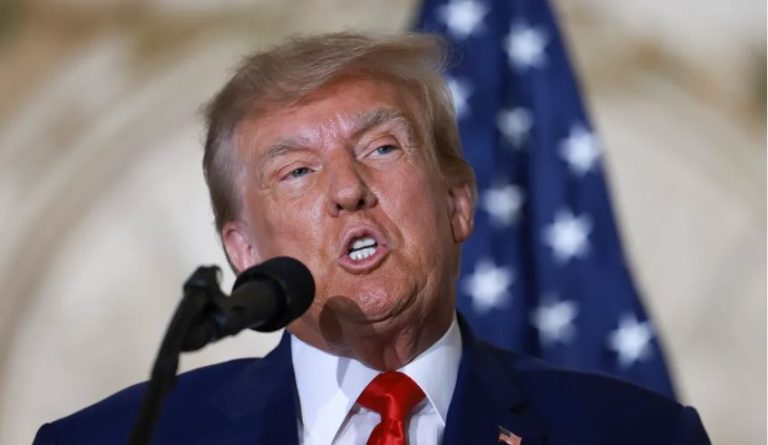
President Donald Trump has signed two executive orders aimed at accelerating U.S. leadership in quantum technology while strengthening cybersecurity defenses against future threats. The move sets a target of 2031 for key federal systems to complete their transition to post-quantum cryptography, a security standard designed to withstand attacks from powerful quantum computers.
The orders highlight growing concerns that future quantum machines could eventually crack many of today’s encryption methods. As a result, government agencies must begin preparing now rather than waiting for the technology to mature.
Quantum Race Gains Momentum
The White House also directed federal agencies to push forward with advanced quantum computing research. Officials said the administration wants the United States to develop a powerful quantum computer for scientific research by 2028.
Key goals outlined in the initiative include:
- Accelerating quantum computing development
- Expanding the use of quantum sensors
- Strengthening national cybersecurity defenses
- Improving protection of critical government systems
Supporters of the plan argue that quantum technology could transform industries ranging from healthcare and materials science to artificial intelligence and national defense.
Focus on Post-Quantum Security
The cybersecurity order places significant attention on post-quantum cryptography. This technology uses encryption methods designed to resist attacks from future quantum computers.
Experts have warned for years about a potential “harvest now, decrypt later” scenario. In that situation, attackers could collect encrypted data today and wait until quantum computers become powerful enough to break it. Therefore, governments and businesses are increasingly treating quantum-resistant security as an urgent priority.
Federal agencies will now work toward migrating critical systems to new encryption standards by 2030 and 2031, depending on the type of cryptographic function involved.
The executive orders signal a major federal commitment to quantum innovation and cybersecurity modernization. Furthermore, they could encourage private companies to speed up their own post-quantum migration plans.
As the global competition for quantum leadership intensifies, the United States appears determined to stay ahead. The new deadlines provide a clear roadmap for agencies and technology partners preparing for a future where quantum computing becomes a practical reality.