
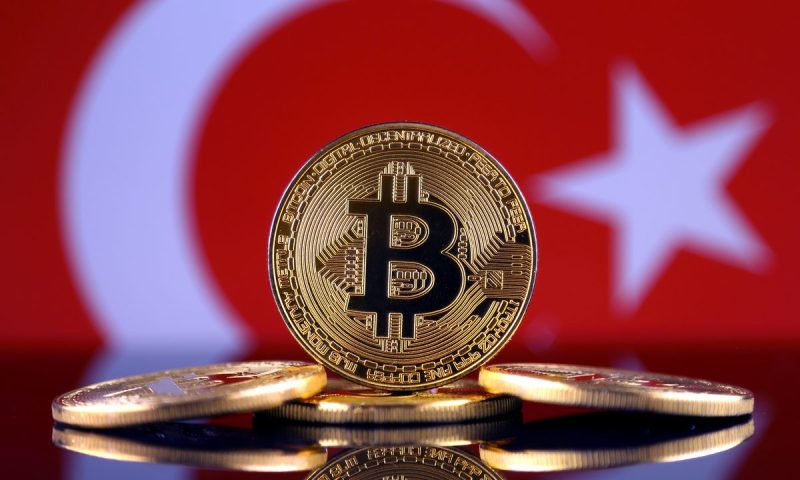
Turkey is taking a major step toward formal cryptocurrency taxation. The ruling AK Party has submitted a bill to Parliament that would impose a 10% tax on gains from cryptocurrency transactions conducted on regulated crypto platforms.
If lawmakers approve the proposal, crypto exchanges will withhold the tax quarterly. This approach shifts the burden away from individual traders and places it directly on platforms.
How the Proposed Crypto Tax Will Work
Under the draft legislation, regulated exchanges would deduct a 10% withholding tax on profits from crypto trades. Traders would not need to file separate annual declarations for these gains. Instead, platforms would handle reporting and payments every three months.
Key features of the proposal include:
- A 10% withholding tax on gains from crypto transactions
- Quarterly tax collection by regulated crypto platforms
- Authority for the president to adjust the rate between 0% and 20%
- Application to both residents and non-residents trading on Turkish-regulated platforms
Furthermore, the president would have flexibility to change the rate depending on asset type or market conditions. This could allow faster responses to economic shifts.
Integration Into Turkey’s Tax System
The crypto tax proposal forms part of a broader economic reform bill before the Turkish Grand National Assembly. Lawmakers aim to amend the Income Tax Law and the Expenditure Taxes Law to formally recognize digital assets.
For years, many crypto investors in Turkey operated in a gray area with limited tax clarity. However, the government now seeks to integrate digital assets into existing financial legislation. If passed, the new rules would take effect a few months after publication.
Why This Matters for Crypto Investors
Turkey has one of the highest crypto adoption rates globally. Therefore, this move could significantly impact both retail traders and international investors.
By introducing a clear crypto tax framework, the government hopes to increase revenue and strengthen oversight of digital asset markets. At the same time, clearer rules may provide more certainty for exchanges and investors who want long-term stability in Turkey’s growing crypto sector.
