
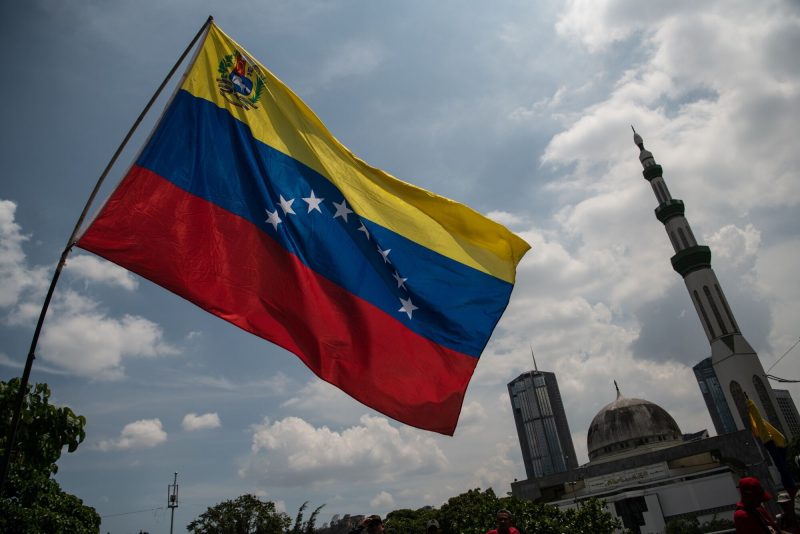
The U.S. government is reportedly exploring options to freeze or seize Venezuela’s alleged Bitcoin and cryptocurrency reserves following the capture of President Nicolás Maduro. According to a CNBC report, the discussions have added fresh volatility to crypto markets and opened new debates around digital asset ownership, sanctions, and sovereignty.
The situation marks a rare moment where geopolitics and crypto markets collide. As news spread, traders reacted quickly, pushing Bitcoin prices higher amid speculation about the scale of Venezuela’s rumored holdings.
Arrest Sparks Global Shockwaves
Over the weekend, U.S. forces carried out airstrikes in Caracas and detained Maduro and his wife, Cilia Flores. Authorities transported them to the United States to face federal charges tied to drug trafficking and money laundering. The operation drew sharp criticism from several countries and intensified tensions across Latin America.
However, crypto traders focused on a different angle. Rumors began circulating that Venezuela holds one of the largest undisclosed Bitcoin reserves in the world. As a result, Bitcoin briefly surged past $94,000, reflecting expectations of tighter supply if those assets are locked up.
Inside Venezuela’s Alleged Crypto Stockpile
Sources cited in the report claim Venezuela quietly built a Bitcoin reserve over several years. The strategy allegedly involved oil exports, gold mining revenue, and sanctions workarounds. Estimates suggest the reserve could reach 600,000 BTC, worth tens of billions of dollars at current prices.
U.S. officials are reportedly considering several approaches, including:
- Freezing the digital wallets tied to Venezuelan state actors
- Seizing the assets under forfeiture laws
- Placing the Bitcoin under long-term U.S. custodial control
Each option would represent a major shift in how governments treat digital assets tied to sanctioned states.
Analysts warn that removing such a large Bitcoin supply from circulation could support higher prices over time. However, legal experts point to serious challenges. Controlling private keys, proving ownership, and navigating international law all remain unresolved issues.
As this story unfolds, regulators and investors are watching closely. The case could redefine how sovereign crypto reserves are handled in future geopolitical conflicts.
