US Government Transfers $297 Million in Seized Bitcoin and Ether to Coinbase Prime

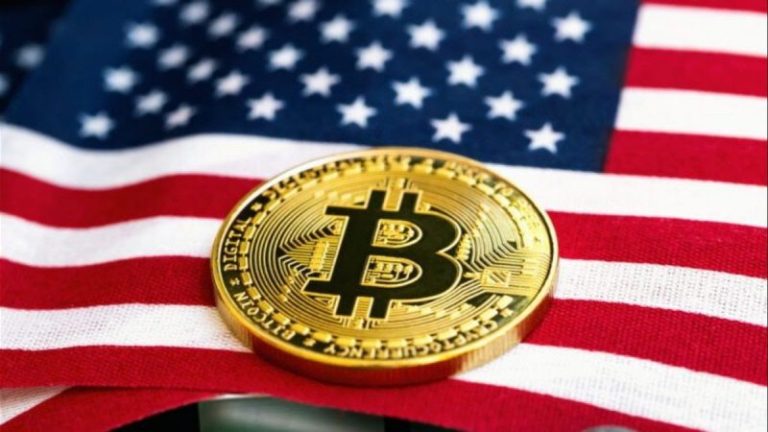
The U.S. government transferred nearly $297 million worth of seized Bitcoin and Ether to Coinbase Prime on Monday, drawing close attention from cryptocurrency markets and renewing speculation about whether the assets could eventually be sold.
Blockchain analytics firm Arkham identified two separate transfers during the day. The first involved approximately $8.8 million in digital assets, followed a few hours later by a much larger transfer worth about $288 million. Together, the transactions included roughly 3,940 Bitcoin and more than 30,000 Ether that had been confiscated in several high-profile criminal investigations.
Origins of the seized assets
The transferred cryptocurrency originated from multiple forfeiture cases involving criminal activity. The holdings include Bitcoin connected to the now-defunct BTC-e exchange, assets seized from convicted dark web drug trafficker Ryan Farace, and Ether linked to Brian Krewson, who was implicated in a cryptocurrency storage and money laundering scheme.
The movement of government-controlled digital assets immediately sparked discussion across the crypto industry because large transfers to Coinbase Prime have historically fueled concerns about potential market sales. However, blockchain transfers alone do not confirm that the government intends to liquidate the holdings.
Why the market is watching
Coinbase Prime serves institutional clients by offering custody, trading, financing, and other digital asset services. As a result, transferring funds to the platform may simply reflect changes in custody or asset management rather than preparation for an immediate sale.
Market participants remain especially attentive because the U.S. government continues to control one of the world’s largest cryptocurrency portfolios following years of law enforcement seizures. Even so, previous government transfers to Coinbase Prime have not always resulted in asset sales.
The latest transaction also arrives against the backdrop of evolving U.S. policy toward seized digital assets. Earlier government statements signaled a greater emphasis on retaining certain Bitcoin holdings rather than routinely auctioning them. Consequently, analysts caution that the latest wallet activity should not be interpreted as confirmation of an impending liquidation.
While the transfer has generated renewed debate over the government’s crypto strategy, officials have not announced any plans to sell the assets. Until further clarification emerges, the movement appears to represent a significant custody event rather than definitive evidence of market-bound sales.