
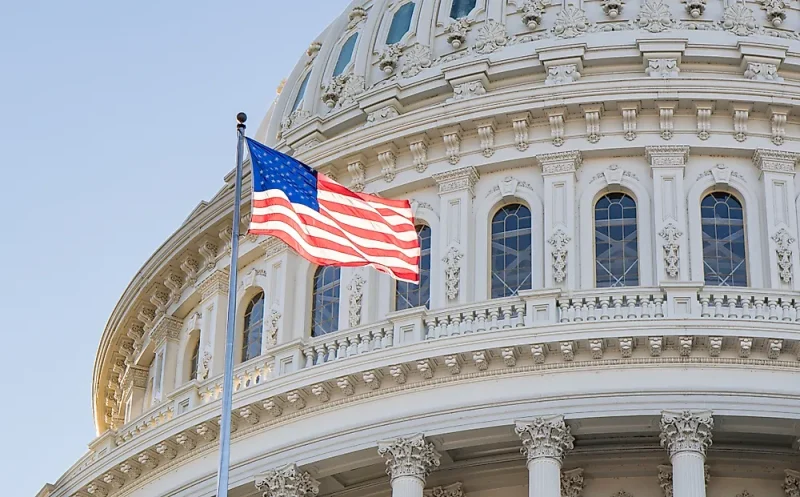
The U.S. Senate has approved a major bill that would prevent the Federal Reserve from issuing a central bank digital currency, or CBDC, until the end of 2030. The measure passed with strong bipartisan support and has quickly become a major topic in the cryptocurrency industry.
The proposal is included in the 21st Century ROAD to Housing Act, a broader housing-focused bill. While the legislation mainly addresses housing issues, lawmakers also added a provision that would temporarily ban the creation of a U.S. digital dollar.
Growing Resistance to a Digital Dollar
The Senate approved the bill by an 89-10 vote, showing broad support for limiting the Federal Reserve’s ability to launch a CBDC. If the measure becomes law, the Fed would not be allowed to create or issue a central bank digital currency directly or indirectly through financial institutions until December 31, 2030.
Supporters of the ban argue that a government-issued digital currency could raise privacy concerns. They believe Americans should have stronger protections before any digital dollar project moves forward.
Key points of the proposal include:
• A ban on Federal Reserve CBDC issuance through 2030
• Restrictions on both direct and indirect digital dollar creation
• Continued support for private-sector digital asset innovation
Impact on the Crypto Industry
Many cryptocurrency advocates see the Senate vote as a positive development. They argue that limiting a government-backed digital currency could create more room for private stablecoins and blockchain-based payment systems to grow.
Furthermore, supporters believe the decision could encourage innovation among companies that already offer dollar-backed digital assets. Stablecoin issuers may benefit from reduced competition from a potential government alternative.
However, not everyone agrees with the approach. Some policymakers and financial experts have argued that a CBDC could improve payment efficiency and help the United States remain competitive with countries developing their own digital currencies.
The bill still faces additional steps before becoming law. The House of Representatives must decide whether to approve the Senate version. If lawmakers in both chambers agree, the legislation would then move to the president for final approval.
For now, the Senate vote marks one of the most significant U.S. policy moves involving digital currency and the future of the American financial system.
