Bitcoin eCash Hard Fork Goes Live, Giving BTC Holders 1:1 ECX Tokens

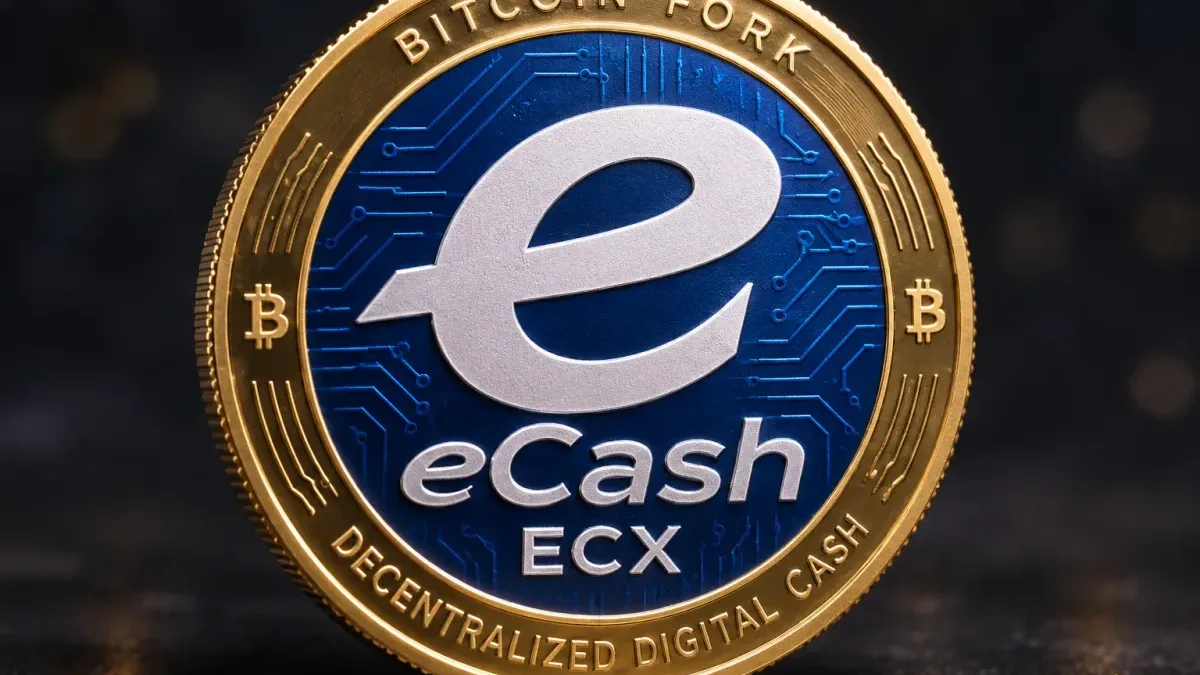
Bitcoin’s latest hard fork, eCash (ECX), has officially launched, creating a separate blockchain that introduces Drivechain technology and new opportunities for developers. The network went live on October 29, 2026, following years of development led by Bitcoin developer Paul Sztorc.
The launch gives eligible Bitcoin holders an equivalent amount of ECX based on their BTC balances at the blockchain snapshot. However, the new cryptocurrency operates independently, meaning existing Bitcoin holdings remain unchanged.
eCash Activates BIP300 and BIP301 Drivechains
Developed by LayerTwo Labs, eCash introduces Drivechains through Bitcoin Improvement Proposals BIP300 and BIP301. These mechanisms allow developers to create specialized sidechains with different features while preserving the underlying blockchain’s core architecture.
The project launched with five Drivechain sidechains: BitNames, BitAssets, Thunder, Truthcoin, and zSide. Together, they support experimentation across digital assets, payments, privacy, decentralized applications, and prediction markets.
Two additional projects, Photon and CoinShift, remain under development. Photon focuses on quantum-resistant technology, while CoinShift aims to introduce decentralized exchange functionality.
Unlike proposals that require changes to Bitcoin’s existing network, eCash operates as an independent blockchain. Consequently, Bitcoin users can continue using BTC without adopting the new network’s rules.
Bitcoin Holders Receive ECX at 1:1 Ratio
The hard fork occurred at Bitcoin block 973,728, creating equivalent ECX balances for eligible holders.
For example, someone controlling 2 BTC at the snapshot received access to 2 ECX on the new blockchain. However, the 1:1 distribution ratio does not mean ECX carries the same market value as Bitcoin.
Users holding Bitcoin in self-custody wallets can access their ECX through compatible software and appropriate coin-splitting procedures. Meanwhile, customers using centralized exchanges must confirm whether their platforms support ECX distributions and withdrawals.
Security remains important because transactions may face replay risks across the two networks. Holders should follow verified wallet instructions and avoid sharing private keys or recovery phrases.
ECX Market Adoption Faces Early Challenges
Although eCash has launched successfully, its long-term adoption remains uncertain. Trading access is limited, and early market prices may fluctuate significantly because of relatively thin liquidity.
The project also faces scrutiny over its treatment of certain Bitcoin balances associated with Satoshi Nakamoto. Critics have questioned the proposed reassignment of some corresponding ECX holdings.
Ultimately, eCash’s success will depend on developer participation, exchange support, network security, and demand for its Drivechain applications.