CFTC Moves to Dismiss CME Lawsuit Over Kalshi’s Crypto Perpetual Futures

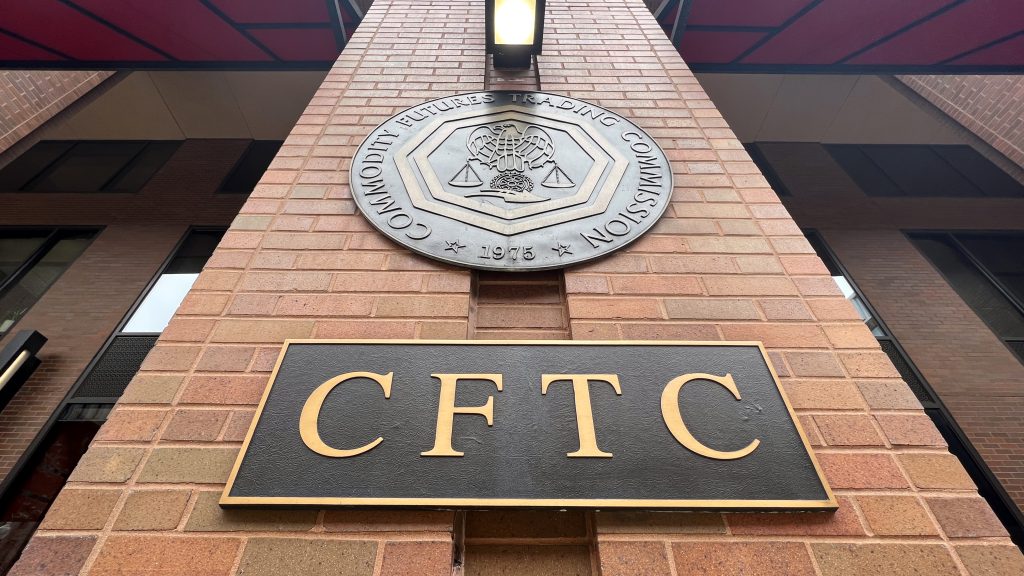
The U.S. Commodity Futures Trading Commission has asked a federal judge to dismiss CME Group’s lawsuit challenging the approval of cryptocurrency perpetual futures.
The CFTC filed its motion on Wednesday in the U.S. District Court for the District of Columbia. The agency argues that CME cannot show a sufficient competitive injury to establish legal standing.
The dispute centers on Kalshi’s Bitcoin perpetual futures contract, which the CFTC approved in May. The agency also said other registered futures exchanges could list similar digital commodity perpetual contracts.
CME has challenged that approach. The exchange argues that cryptocurrency perpetual contracts should qualify as swaps under the Commodity Exchange Act and Dodd-Frank Act. It also claims the CFTC improperly changed its regulatory treatment of these products.
Why the CFTC wants the case dismissed
The regulator says CME remains free to list its own perpetual futures. Therefore, the CFTC argues that CME cannot claim harm simply because Kalshi received approval to offer competing products.
The agency also pointed to CME’s trading data. Bitcoin and Ether futures volumes increased in June and August compared with May, when the CFTC issued its approval.
The CFTC therefore characterized CME’s alleged competitive injury as self-inflicted. It said CME chose not to offer perpetual futures despite having the ability to do so.
The regulator further argued that reclassifying the contracts as swaps would not resolve CME’s concerns. Other designated contract markets could still offer similar products under that classification.
The legal fight could shape U.S. crypto derivatives
The dispute carries broader implications for the U.S. cryptocurrency derivatives market. Perpetual contracts have become a major trading product globally because they have no fixed expiration date and use funding mechanisms to keep prices close to spot markets.
The CFTC has sought to bring more perpetual-style products into regulated U.S. markets. Its May policy established a framework for certain digital commodity perpetual futures, while later regulatory guidance addressed their treatment.
CME must respond to the dismissal motion by Oct. 2. The case could determine how regulators and exchanges classify and compete in the growing U.S. crypto perpetual futures market.