Copper Hits Fresh Record as Tariffs and Mine Supply Collide

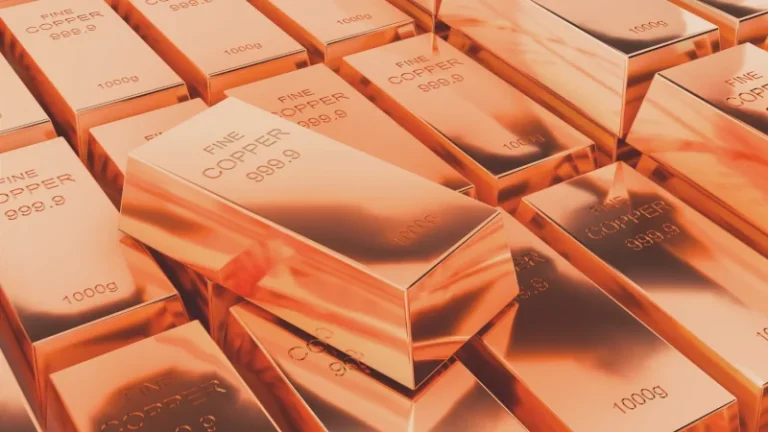
Copper prices have reached a new all-time high, but the rally reflects more than Washington’s tariff policy. Benchmark three-month copper futures on the London Metal Exchange climbed to $14,533 a metric ton, surpassing the previous January record. The move highlights a market caught between U.S. trade policy and increasingly fragile mine supply.
Supply Pressures Drive the Rally
Global mine production fell 1.1% in the first half of 2026, while copper concentrate output dropped 2.6%. Chile, Indonesia and the Democratic Republic of Congo recorded significant production declines. Those disruptions have tightened the physical market even as refined copper output continues to grow.
Strong demand adds another layer of support. Power infrastructure, artificial intelligence data centers and electric vehicles require large quantities of copper. However, the current record does not yet signal a simple global shortage. Refined production has exceeded consumption, creating a reported surplus of about 131,000 tons.
Washington Shapes Global Flows
U.S. tariff policy has nevertheless changed where copper goes. The administration has strengthened Section 232 measures on copper and other strategic metals, including broader duties on imported metal products.
That policy has encouraged suppliers to redirect copper toward the United States. U.S. imports reached record levels, while copper accumulated in American warehouses. At the same time, inventories outside the United States have tightened, helping push international prices higher.
The effect is visible in trade flows. U.S. buyers have increasingly turned to Congolese copper because it can trade at a significant discount to high-priced U.S. material.
Geology May Decide What Comes Next
Washington can reshape trade incentives quickly, but it cannot create new copper mines overnight. Declining ore grades, production disruptions and long development timelines make supply growth difficult.
That leaves investors watching two forces. Tariffs can continue distorting regional prices, while geology limits how quickly miners can respond to stronger demand. If Washington changes its tariff strategy, some distortions could unwind. Yet persistent mine constraints could keep the underlying copper market tight.
For now, copper’s record appears to be the product of both forces. Tariffs have rearranged supply, but geology is making that rearrangement more powerful.