How Multi-Coin Payment Rails Are Reshaping Crypto Transactions

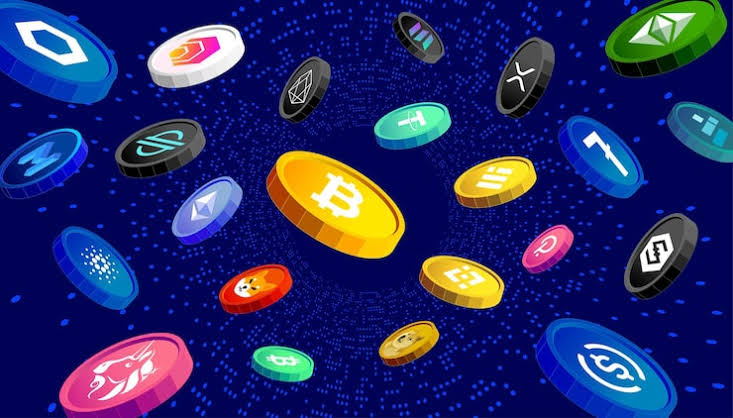
Anyone who keeps a market dashboard open all day has watched the same shift unfold in slow motion. A few years back, moving value across the crypto world meant one asset, one chain, and a lot of waiting. Now the picture looks completely different. Bitcoin still anchors the market, but USDT rides on Tron and Solana, Ethereum settles on Layer 2s, and stablecoins hop between networks in seconds. This tangle of interoperable payment rails changed how traders rebalance portfolios and how ETF flows get tracked. It also quietly reshaped something more practical: how people actually spend the crypto they hold once the real-time prices stop moving and the trading day winds down.
That shift toward multi-coin flexibility matters most for anyone drawn to privacy-first online entertainment, and this is where careful, up-to-date guidance becomes essential. Resources like Insights from nokyc.com rank and review anonymous crypto-friendly entertainment sites by reading what their terms and conditions actually say — crawling those documents daily, quoting the exact verification clauses buried in the fine print, and tracking every change so users aren’t caught off guard. For someone who values discretion, that kind of clause-level detail is the whole point. A site might advertise itself as no-KYC, but the real answer lives in the terms, where identity checks can appear at withdrawal or above a certain threshold. Knowing which sites keep their word, and which quietly rewrite the rules, is exactly the information a privacy-minded user needs before deciding where to spend an evening.
Why Rails Matter More Than Coins Now
For a long time the conversation among active traders focused on which asset to hold. These days the more practical question is which rail carries it best. Sending USDT over Tron costs pennies and confirms almost instantly, which is why so many exchange order books show that pair dominating stablecoin volume. Solana handles bursts of small transfers without choking. Bitcoin remains the settlement layer of choice for larger sums, even as its base-layer confirmations take longer than a Solana swap.
What emerged from all this is a payment environment where the coin barely matters to the end user — the rail does. A person doesn’t think, “Move Litecoin.” They think, “Arrive cheap and fast.” That mindset, familiar to anyone watching liquidations and volatility indexes tick by, has spilled directly into how leisure spending works online.
From Order Books to Off-Hours Spending
Consider the rhythm of a typical trader’s day. Screens full of futures data, open interest charts, whale trade alerts, and a rapid-movers list refreshing every few seconds. When the session closes, that same person often wants entertainment that respects the habits crypto already built into their life: no bank intermediaries, no waiting days, no forms.
Multi-coin rails make that seamless. A balance sitting in USDT on Solana can fund an evening of online entertainment without ever touching a traditional account. The convenience isn’t a novelty anymore; it’s the baseline expectation. And because so many of these entertainment venues accept a spread of assets — BTC, ETH, several stablecoins, a handful of alt-rails — users pick whichever coin they happen to be holding after a day of rebalancing. The friction that once separated “trading money” from “fun money” has essentially dissolved.
The Privacy Question Underneath It All
None of this exists in a vacuum. The same features that make multi-coin rails convenient — pseudonymity, self-custody, direct settlement — also sit at the center of an ongoing debate about how much privacy digital money should offer. Academics have examined whether cryptocurrencies can preserve privacy while still meeting the demands regulators place on financial systems, and the tension they describe shows up in everyday entertainment choices too.
Privacy-first users aren’t necessarily hiding anything. Often they simply prefer not to scatter personal documents across a dozen websites, the same way a careful trader prefers self-custody over leaving funds on an exchange. Multi-coin rails let them act on that preference. A transaction confirms on-chain, the value arrives, and no third party demands a passport scan. That’s the appeal — and it’s why reading the actual terms of any entertainment venue matters so much, since the promise of anonymity means little if the fine print says otherwise.
Where Regulation Enters the Picture
Of course, this world doesn’t get to ignore oversight forever. Policy analysts have laid out the competing priorities facing crypto regulations, balancing innovation against consumer protection and financial transparency. Those priorities directly influence how multi-coin rails evolve and how much room privacy-focused entertainment has to operate.
Stablecoins in particular sit under a microscope, because their volume dwarfs most other on-chain activity. Any shift in how USDT or similar assets are treated ripples straight into the leisure economy that relies on them. Traders who track ETF flows and regulatory headlines already understand this: a single policy signal can move markets and reshape the tools people use to spend, not just invest.
What It All Means for Free Time
The practical takeaway is simple enough. The infrastructure built for fast, multi-coin trading has become the same infrastructure people lean on when they want to relax. The rails are neutral — they carry a rebalance and an evening of entertainment with equal ease.
For the privacy-minded, that overlap is a genuine convenience, provided they stay informed. Watching which rails stay cheap and fast, and reading the terms of wherever they choose to spend, gives them the same edge in leisure that a clean order book gives them in the market: clarity before commitment.