ICBA Sues OCC Over Crypto Trust Bank Charter Rules

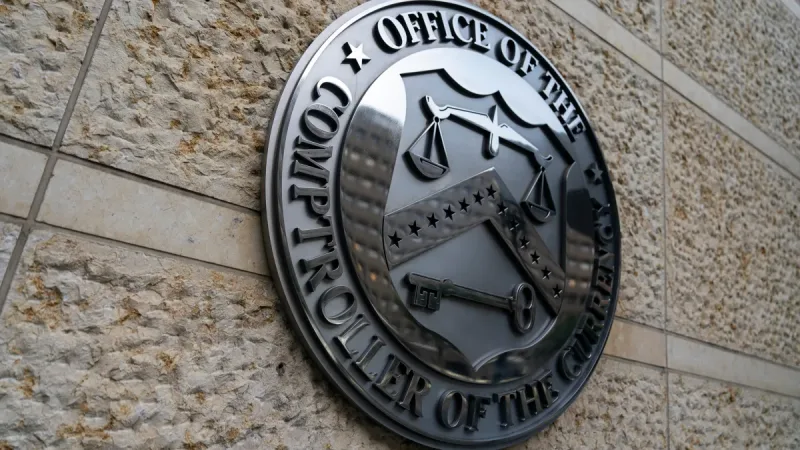
A U.S. community banking trade group has sued the Office of the Comptroller of the Currency, challenging the regulator’s authority to grant national trust bank charters to cryptocurrency companies. The lawsuit, filed Friday in federal court in Washington, adds a new legal challenge to the expanding role of digital-asset firms in the U.S. banking system.
The Independent Community Bankers of America argues that the OCC exceeded its statutory authority when it created a regulatory path for crypto companies to obtain national trust charters. The group wants the court to overturn the OCC’s March 2026 rule and related guidance.
The dispute centers on crypto firms entering banking
National trust banks can provide services such as digital-asset custody and payment-related activities without operating like conventional deposit-taking banks. They generally do not accept deposits or make traditional loans.
ICBA argues that this structure gives crypto companies the credibility of a federal bank charter without imposing the same requirements faced by community banks. Those requirements can include capital and liquidity standards, consolidated supervision, Community Reinvestment Act obligations and federal deposit insurance for insured banks.
Reuters reported that ICBA also argues consumers could mistakenly associate a national trust charter with the protections typically linked to federally insured banks. The group has asked the court to invalidate the OCC’s rule and guidance.
The legal fight could shape crypto banking access
The lawsuit comes as cryptocurrency companies pursue greater access to traditional financial infrastructure. Coinbase and other digital-asset firms have sought national trust charters as regulators establish a broader framework for crypto-related banking services.
ICBA is also challenging the conditional charter approval granted to Protego Holdings Corp. The group has raised concerns about the company’s governance and risk controls, while arguing that crypto-focused trust banks should face stronger regulatory requirements.
The OCC has defended its chartering framework as an exercise of its existing authority. The agency declined to comment on the litigation, according to Reuters.
The case now places the OCC’s interpretation of national trust bank authority before a federal court. Its outcome could affect how cryptocurrency companies structure custody, payments and other financial services in the United States.