Russia Crypto Regulation Bill Moves Toward Final State Duma Readings

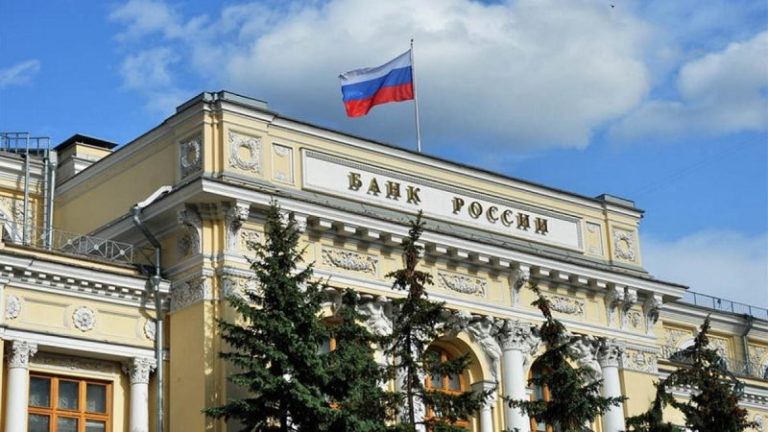
Russia’s long-awaited cryptocurrency regulation bill is entering its final stage in the State Duma, bringing the country closer to establishing a comprehensive legal framework for digital assets. Lawmakers expect the legislation to complete its remaining parliamentary readings before the end of the current session, with the government targeting implementation later this year if the measure receives final approval.
The proposed law represents one of Russia’s most significant efforts to regulate cryptocurrency trading while maintaining strict oversight of the domestic digital asset market. It follows years of uncertainty over how cryptocurrencies should be treated under Russian law.
Key Changes in the Draft Law
The revised bill introduces several notable changes compared with earlier versions. These include:
- Removing the requirement for cryptocurrency holders to disclose wallet addresses.
- Requiring users to report wallet balances and transaction volumes instead.
- Establishing licensed intermediaries as the primary gateway for legal cryptocurrency transactions.
- Creating a regulated framework for digital asset custody and exchange services.
Lawmakers also added provisions covering cryptocurrency-funded investments and enhanced controls over digital asset transfers. The revisions reflect ongoing negotiations between financial regulators, lawmakers, and industry participants.
State Control and Market Development
Russian authorities continue to pursue a tightly controlled cryptocurrency ecosystem. Under the proposed framework, licensed entities would oversee trading, custody, and exchange operations, while the Bank of Russia would retain significant regulatory authority. At the same time, officials have indicated that cryptocurrencies will remain prohibited as a means of payment for domestic goods and services.
However, the legislation is expected to support broader use of digital assets in cross-border economic activity. Policymakers view regulated cryptocurrency transactions as a tool that could facilitate international trade while operating within Russia’s evolving financial system.
Although the bill has experienced delays since passing its first reading earlier this year, government officials remain confident that it will clear its remaining State Duma readings soon. If approved, the law would provide long-awaited legal certainty for cryptocurrency investors, financial institutions, and licensed service providers operating in Russia, while reinforcing the state’s oversight of the rapidly growing digital asset sector.