Russia Expands Crypto Mining Ban to Moscow, Raising Questions Over Global Bitcoin Hash Rate

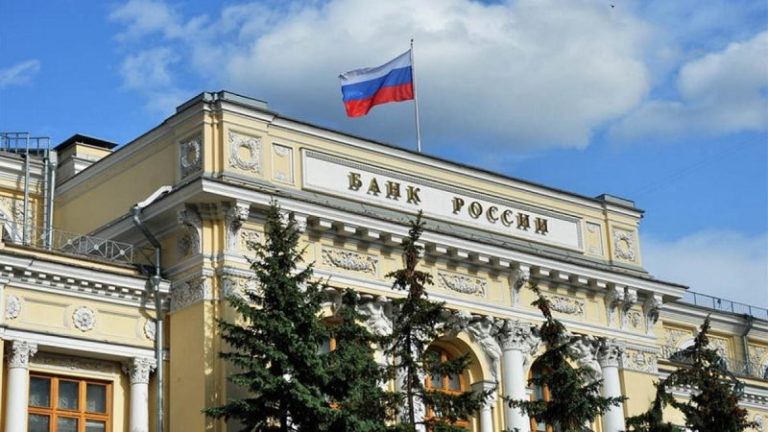
Russia is moving to tighten restrictions on cryptocurrency mining by extending a proposed ban to Moscow, the Moscow region, and parts of the Kursk region. The measure reflects growing concerns over electricity shortages and grid stability in areas with rapidly rising power demand from large-scale mining operations.
Energy officials have published a draft government decree that would prohibit digital currency mining, including participation in mining pools, from July 1, 2026, through the end of 2032. Authorities argue that the restrictions are necessary to prevent energy deficits caused by power-intensive mining facilities connecting to regional electricity networks.
Growing Pressure on Energy Infrastructure
The proposal follows months of discussions between federal and regional officials. According to estimates from Moscow regional energy authorities, cryptocurrency mining currently consumes roughly 1 gigawatt of electricity in the Moscow power system. Officials also project that data center capacity across Moscow and the surrounding region could reach 3.6 gigawatts by 2032, increasing pressure on an already strained grid.
The planned restrictions would expand Russia’s existing mining limits. Since 2025, several regions, including parts of Siberia, the North Caucasus, and other energy-constrained territories, have already faced seasonal or permanent mining bans aimed at preserving electricity supplies for households and critical infrastructure.
Potential Impact on Bitcoin Mining
If implemented, the Moscow restrictions could reshape Russia’s cryptocurrency mining landscape. Moscow has long served as an important hub for mining infrastructure and related data center operations. Industry participants may relocate equipment to regions with greater energy availability or move operations abroad.
Key implications include:
- Reduced mining activity in one of Russia’s largest infrastructure markets.
- Increased migration of mining hardware to regions with lower power constraints.
- Potential short-term pressure on global Bitcoin hash rate if relocation is delayed.
However, Bitcoin’s mining network has historically adapted to regional disruptions. Previous crackdowns in major jurisdictions led miners to relocate rather than permanently exit the industry, with the network’s difficulty adjustment mechanism helping stabilize operations over time.
While the proposal could temporarily affect mining capacity within Russia, analysts generally expect any impact on the global Bitcoin hash rate to be limited unless a substantial share of the country’s mining fleet remains offline for an extended period.