Russia’s Regulated Crypto Market Could Reach $46 Billion in First Year

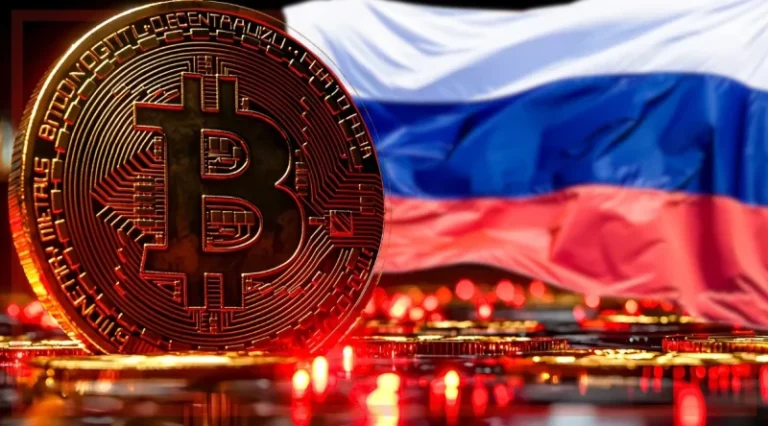
Russia’s regulated cryptocurrency market could record as much as 4 trillion rubles, or about $46.4 billion, during its first year under a new legal framework. The forecast comes as the country prepares to bring new crypto trading rules into force on September 1, 2026.
The estimate from SberCIB Investment Research suggests that regulated exchanges could capture roughly 20% of Russia’s existing crypto activity in the first year. Sberbank Deputy Chairman Anatoly Popov said the bank expects regulated trading to reach between 3.5 trillion and 4 trillion rubles.
The forecast reflects a cautious view of how quickly traders will move from offshore platforms and informal channels into regulated venues.
New Rules Reshape Russia’s Crypto Market
The new framework will allow licensed brokers, exchanges, asset managers and depositories to provide regulated cryptocurrency services. However, the rules will place limits on retail participation.
Non-qualified investors will face an annual crypto purchase limit of 300,000 rubles through a single intermediary. Qualified investors will have broader access, although investment limits will still apply under the initial framework.
The market will also begin with a limited selection of approved assets. Bitcoin, Ethereum and Tether are currently the main cryptocurrencies cleared for organized trading under the new system.
Crypto payments for goods and services will remain prohibited inside Russia. However, the country has already permitted certain cryptocurrency transactions for cross-border trade.
Sberbank Eyes Further Growth
Sberbank expects regulated crypto trading to expand as more investors adopt licensed platforms. The bank projects annual volume could reach 7.5 trillion rubles, or roughly $87 billion, by 2029.
Sberbank is also preparing new cryptocurrency-related services. These include a digital asset wallet and depository infrastructure, while the lender has indicated plans to offer loans backed by bitcoin, ether and USDT once regulators approve them.
The $46 billion projection remains a forecast rather than a guaranteed market size. Its performance will depend on investor demand, regulatory implementation and how much existing crypto activity shifts into official channels. Still, the launch marks a major step in Russia’s effort to bring a substantial portion of its cryptocurrency economy under formal oversight.