South Korea Says Bankrupt Crypto Exchange Accounts Remain Reportable

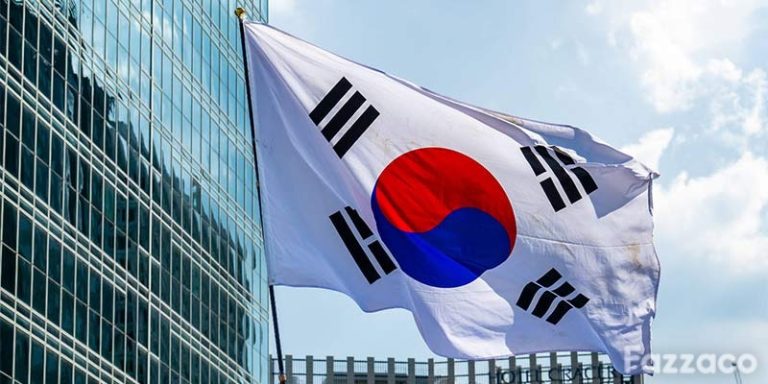
South Korea’s tax authorities have clarified that residents may still need to report accounts held with overseas cryptocurrency exchanges even after those platforms have entered bankruptcy proceedings.
The National Tax Service said overseas virtual asset accounts remain subject to the country’s overseas financial account reporting rules. The requirement applies even when an exchange has stopped operating and customers cannot freely access their assets.
The clarification adds another compliance concern for South Korean crypto investors who still have funds tied up in failed overseas platforms.
Reporting Rules Cover Crypto Assets
South Korea requires residents to report overseas financial accounts when their combined balances exceed the applicable threshold on at least one day during the year. The rules include accounts used for cryptocurrency trading.
The tax authority’s position means an exchange’s bankruptcy does not automatically remove the account from the reporting framework.
For investors, the issue can become complicated when they cannot withdraw or transfer their assets. However, the reporting obligation focuses on the overseas account and its reported balance rather than whether the exchange can currently process withdrawals.
South Korea has continued tightening oversight of overseas cryptocurrency activity. The National Tax Service said cryptocurrency holdings accounted for a significant portion of assets reported through the overseas financial account system.
Compliance Pressure Grows
The clarification comes as South Korea expands its monitoring of digital assets and cross-border transactions. Recent regulatory changes have also strengthened customer identification and anti-money-laundering requirements for virtual asset businesses.
The latest guidance highlights a broader principle for investors: financial difficulties at an overseas exchange do not necessarily erase domestic reporting responsibilities.
Investors with assets trapped on bankrupt platforms may therefore need to retain account statements, bankruptcy notices, transaction records and other evidence supporting their reported balances.
The issue is particularly relevant for customers of failed exchanges who may assume that inaccessible assets no longer count. South Korean authorities appear to be taking a more formal approach, requiring taxpayers to address those holdings through the existing reporting system.