Stablecoins vs. Volatile Cryptocurrencies: Understanding the Risks and Benefits

The cryptocurrency market has introduced new possibilities for digital transactions, online payments, and financial management. As blockchain technology continues to develop, more individuals and businesses are exploring cryptocurrencies as alternatives to traditional payment systems. The growing popularity of digital assets has also encouraged different online industries to adopt cryptocurrency as a payment method.
The online betting industry is one example of this growing adoption. Crypto casino operators like PUBS.com have introduced cryptocurrency payment options to a new audience of players interested in using digital assets on online platforms. This development has also raised an important question among cryptocurrency users: Is it better to use stablecoins or volatile cryptocurrencies for digital transactions?
Understanding Stablecoins and Volatile Cryptocurrencies
Cryptocurrencies generally fall into two broad categories when considering their price behavior: volatile cryptocurrencies and stablecoins.
Volatile cryptocurrencies, such as Bitcoin and Ethereum, experience price changes based on market demand, investor sentiment, economic conditions, and other external factors. Their values can increase or decrease significantly within relatively short periods.
These fluctuations create opportunities for investors but also introduce financial uncertainty. Someone holding Bitcoin, for example, may experience substantial changes in the value of their holdings even without making additional transactions.
Stablecoins take a different approach. They are designed to maintain a relatively stable value by linking their price to an underlying asset, most commonly a traditional currency such as the US dollar.
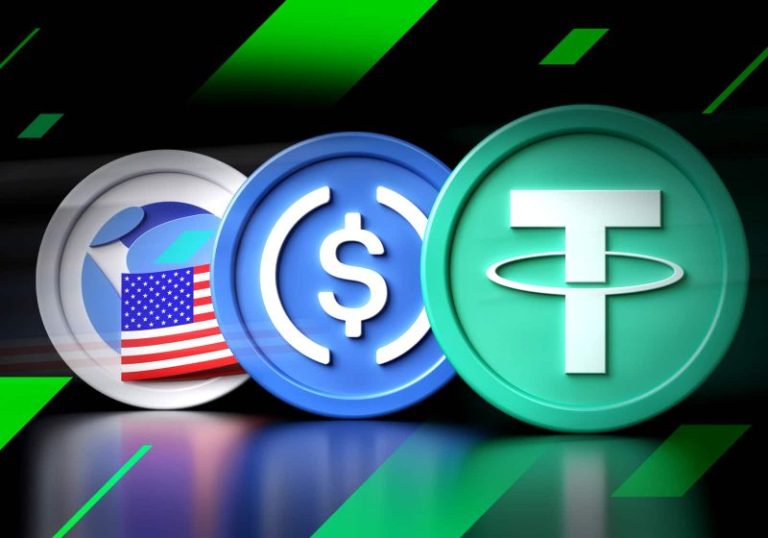
Tether (USDT) and USD Coin (USDC) are well-known examples of stablecoins. Their primary purpose is to provide a more predictable digital asset for transfers, payments, and other blockchain-based activities.
Although stablecoins aim to reduce volatility, they are not entirely risk-free. Their stability depends on factors such as reserve management, liquidity, regulatory conditions, and the reliability of their issuing organizations.
How Cryptocurrency Volatility Affects Digital Payments
Price volatility is one of the most important considerations when using cryptocurrencies for everyday transactions.
Imagine someone receives a payment worth $500 in Bitcoin. If Bitcoin’s market value decreases by 10% before the recipient converts or spends those funds, the payment’s value would fall to approximately $450.
On the other hand, if Bitcoin increases by 10%, the same holdings could become worth approximately $550.
This uncertainty can make financial planning more complicated for individuals and businesses that rely on predictable transaction values.
Stablecoins help address this challenge by offering a digital payment option designed to remain close to a fixed reference value.
For example, a payment of 500 USDT is intended to maintain a value close to $500, assuming the stablecoin successfully maintains its US dollar peg.
This relative predictability makes stablecoins useful for digital commerce, international transfers, and managing cryptocurrency balances.
Why Some Users Prefer Volatile Cryptocurrencies
Despite their unpredictable prices, volatile cryptocurrencies continue to attract considerable interest.
One reason is their potential for long-term value appreciation. Bitcoin, for example, has experienced significant periods of growth throughout its history, although it has also undergone substantial market declines.
Some cryptocurrency holders prefer assets with fluctuating market values because they believe in the long-term development of blockchain technology and decentralized financial systems.
Another consideration is liquidity and market accessibility. Established cryptocurrencies are supported by numerous exchanges, wallets, and financial applications, making them widely accessible to users.
Volatile cryptocurrencies can also serve different purposes within blockchain ecosystems. Ethereum, for instance, supports smart contracts and decentralized applications, extending its functionality beyond basic digital transfers.
Nevertheless, the possibility of financial gains should always be considered alongside the risk of substantial losses.
Are Stablecoins Completely Safe?
Stablecoins are often viewed as a more predictable alternative to volatile cryptocurrencies, but their design does not eliminate every financial risk.
One major concern is the possibility of a stablecoin losing its intended peg. This situation, commonly called depegging, occurs when a stablecoin’s market value moves away from the asset it is designed to track.
Depegging can happen because of liquidity shortages, concerns about reserves, technical failures, or broader market disruptions.
Another important factor is transparency. Users should understand how a stablecoin is backed and whether its issuer provides reliable information about reserves and financial operations.
Regulatory developments can also affect stablecoin availability and usage. Governments and financial authorities continue to develop frameworks addressing digital assets, consumer protection, and financial transparency.
Consequently, stablecoin users should evaluate the characteristics of individual assets rather than assuming that every stablecoin offers the same level of reliability.
Important Considerations When Managing Cryptocurrency
Whether someone chooses stablecoins or volatile cryptocurrencies, responsible digital asset management requires careful planning.
Understand Market Exposure
Users holding volatile cryptocurrencies should recognize that market movements can change the value of their digital assets. Monitoring portfolio exposure can help individuals understand their financial risks.
Choose Reliable Digital Wallets
Wallet security is an essential part of cryptocurrency ownership. Strong passwords, multifactor authentication where available, and secure private-key storage can reduce the risk of unauthorized access.
Review Transaction Fees
Blockchain networks use different fee structures. Comparing transaction costs before transferring funds can help users avoid unnecessary expenses.
Verify Blockchain Networks
Cryptocurrencies may operate across multiple blockchain networks. Confirming network compatibility before transferring funds is essential because incorrect transfers may be impossible to reverse.
Maintain Financial Records
Keeping accurate records of cryptocurrency purchases, transfers, and conversions can support financial planning and tax reporting.
Stay Informed About Regulations
Cryptocurrency regulations vary between jurisdictions. Understanding local requirements can help individuals and businesses use digital assets more responsibly.
The Future of Cryptocurrency Payments
The adoption of cryptocurrency payments continues to influence how individuals and businesses interact with digital financial systems.
Stablecoins may become increasingly useful for transactions requiring predictable values, while volatile cryptocurrencies are likely to remain important within investment markets and decentralized applications.
Improvements in blockchain scalability, transaction processing, and wallet technology could make digital assets more accessible to everyday users.
However, broader adoption will also depend on regulatory clarity, consumer protection, and the development of reliable financial infrastructure.
Understanding the strengths and limitations of different cryptocurrencies will remain essential as digital payment systems continue to evolve.
Final Thoughts
Stablecoins and volatile cryptocurrencies serve different purposes within the growing digital economy.
Volatile cryptocurrencies offer exposure to market price movements and play important roles in decentralized blockchain ecosystems. However, their fluctuating values can introduce uncertainty into everyday transactions and financial planning.
Stablecoins provide an alternative designed to maintain relatively predictable values, making them useful for digital payments and cryptocurrency transfers. Even so, they remain subject to issuer, liquidity, regulatory, and depegging risks.
Ultimately, choosing between stablecoins and volatile cryptocurrencies depends on individual financial objectives, risk tolerance, and intended usage.
As blockchain adoption continues to expand, understanding these differences will help users make more informed decisions about managing and transferring digital assets.