The Real-World Friction Driving Blockchain-Based Platforms

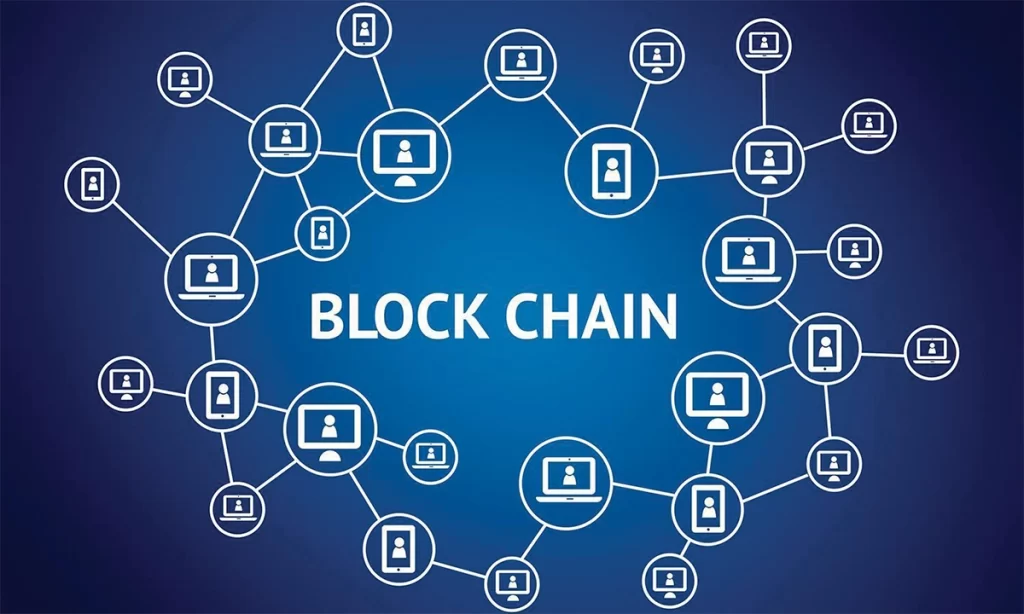
As any crypto tracker from the past few years can attest, there’s been a significant turnaround in the real-use discussion. The majority of attention remained on speculative trading, layer-1 token trends or flipping profile picture NFTs back in 2021. But as gas fees on scaling networks dropped and throughput actually improved, the conversation quietly moved toward platforms handling actual transactional volume.
One area seeing steady, quiet growth is digital entertainment and interactive applications. Instead of relying on traditional web infrastructure with a crypto wrapper slapped on top, a new wave of platforms is building their backend operations directly on public ledgers.
Understanding why this transition is happening comes down to a few basic pain points that traditional web platforms never managed to fix.
The Legacy Banking Bottleneck
Traditional digital platforms run on payment rails designed decades ago. If you want to fund an account on a standard web platform using a credit card or wire transfer, your money moves through a long chain of middlemen. You have the acquiring bank, the payment gateway, the card network, and the merchant bank.
Every single link in that chain adds two things: cost and delay.
For international users, this system breaks down fast. Card issuers routinely block cross-border digital transactions or flag them as suspicious activity. Even when a payment clears, processing fees often swallow a chunk of the transaction. On the payout side, the experience gets worse. Getting money out of a traditional platform usually involves multi-day waiting periods, manual compliance reviews, and high withdrawal thresholds.
When platforms move their backend to blockchain rails, those intermediary steps disappear. A transaction becomes a direct transfer between a user’s private wallet and a smart contract or platform deposit address. Settlement happens in minutes or seconds depending on network congestion, without a bank acting as a gatekeeper.
Why Platform Transparency Matters More Than Ever
Beyond payment friction, a major issue facing digital platforms has always been trust. On traditional sites, everything happens inside a closed server. The user sends money, uses a service or buys an asset, and trusts that the platform’s internal database tracks everything accurately.
If a dispute happens, the user has zero visibility into the system. You simply have to take the operator’s word for it.
Crypto-native platforms approach system design from the opposite direction. By recording transaction activity and platform logic on-chain, operators give users a way to verify what is happening behind the scenes.
We can see this shift clearly in how modern platforms structure their operations. For instance, BC.Game operates on a crypto-first framework that supports multi-currency transactions across major blockchains and uses cryptographic verification methods to provide greater transparency around platform activity. Transactions can be settled directly to self-custodial wallets, reducing reliance on traditional payment processors. Rather than requiring users to rely entirely on internal server records, blockchain-based infrastructure can provide greater visibility into transaction activity and verification processes.
This setup removes the need for traditional payment processors while giving users far better control over their funds. When a platform handles balance transfers on-chain, users retain direct visibility over where their assets are moving.
Web2 vs. Web3 Account Models
To understand the core difference between old and new platforms, look at how accounts handle user identity and balances.
On a legacy web platform, your account is just an entry in a private database. You log in with an email address, verify your identity through personal documents, and deposit fiat money that the company holds in its bank account. If the platform freezes your account, you lose access to those funds immediately.
On a Web3 platform, your account identity is tied to your public wallet address. You connect using a self-custodial wallet, sign a cryptographic message to authenticate, and interact directly with smart contracts.
While the company still manages the platform interface, they don’t hold absolute power over your underlying payment rails. You can move your assets in and out of your personal wallet without needing permission from a bank or waiting for traditional clearing hours.
Keeping Assets Secure in Decentralized Spaces
While on-chain platforms solve many of the headaches caused by legacy payment networks, they shift the burden of security entirely onto the user. There is no password reset button if you lose access to your wallet, and there is no bank customer service department to reverse a bad transaction.
If you interact with crypto-native platforms, keeping your funds safe comes down to a few practical habits:
- Verify smart contract safety: Before depositing funds into a new platform, check if their smart contracts have been audited by established blockchain security firms.
- Keep not too much cash on-platform: Do not store large amounts of cash on-line platforms, they are not banks. Store the primary crypto assets in a self-custodial hardware wallet and fund only that which will be used straight away.
- Be mindful of network fees: Smaller transactions will be cumbersome when the network is busy if you are transacting on the base-layer Ethereum. Lower cost layer2 networks or other chains, such as Solana, are usually better for regular usage.
As blockchain UX improves and wallet abstraction makes self-custody easier for non-technical users, on-chain applications will likely become the standard rather than an alternative. The efficiency gains, transparency, and speed offered by decentralized infrastructure simply make too much sense to ignore.