Trump Digital Gold Crashes 98% After Wallets Cash Out $330,000

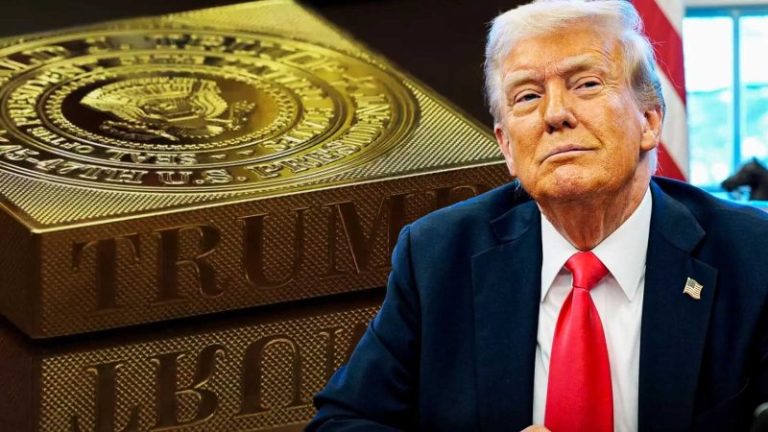
Trump Digital Gold (GOLD), a Solana-based memecoin promoted through a Trump-branded collectibles account, collapsed nearly 98% within hours of its launch Saturday. The token briefly reached a market capitalization above $60 million before plunging below $1 million, according to market-tracking data.
The sharp reversal came after blockchain analysts identified unusually concentrated ownership. Fifteen newly created wallets reportedly spent about $18,657 to acquire 224.5 million GOLD tokens. Combined with 600 million tokens held by the developer, the wallets controlled about 82.45% of the supply.
Wallets Sell Into the Surge
The 15 wallets later sold their entire GOLD holdings for 3,178 SOL, worth roughly $330,000 at the time. The transactions generated an estimated profit of nearly $312,000, representing about a 17-fold return on the initial purchase.
The selling pressure accelerated as other traders exited. Market data showed GOLD losing more than 95% in a matter of minutes at one point. The token had reached a market capitalization of roughly $66 million before the collapse.
The concentration of supply and rapid insider-linked selling have fueled accusations of a coordinated rug pull. However, blockchain data alone does not establish who controls the wallets or prove criminal intent.
Trump Connection Remains Unclear
The token gained attention because the account promoting it, @realtrumpcoins1, is followed by President Donald Trump. The account describes itself as a partner of the Trump Organization and has promoted Trump-related collectible coins and medals.
The account later deleted its GOLD promotional posts. Blockchain researchers also reported claims that the account had been compromised. Those claims have not been independently verified.
A separate website associated with the token continues to describe Trump Digital Gold as a major crypto project linked to the Trump Foundation. However, no public confirmation from Trump or his family has established GOLD as an officially endorsed cryptocurrency.
The episode highlights the risks surrounding politically branded memecoins, where social-media associations can quickly attract speculative demand despite limited verification. For traders, the collapse also underscores how concentrated token ownership can turn a rapid price surge into an equally rapid exit.