Vitalik Buterin Supports Slowing AI Data Centers to Strengthen Global Cybersecurity

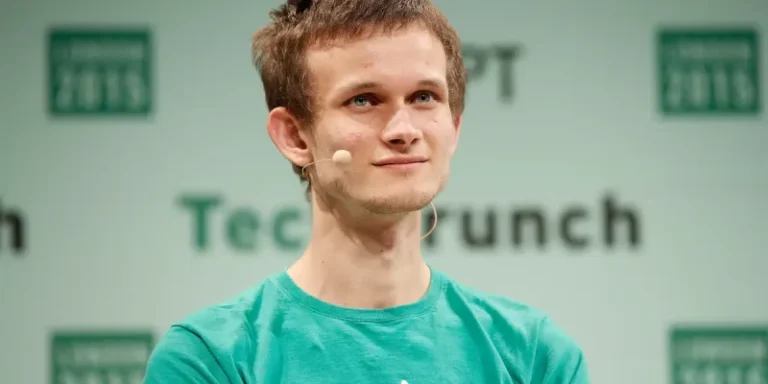
Ethereum co-founder Vitalik Buterin has defended the growing opposition to artificial intelligence data centers, arguing that slower computing infrastructure expansion could benefit society. He believes delaying aggressive AI development would give governments and businesses more time to strengthen cybersecurity defenses and prepare for emerging technological threats.
In a November 8, 2026, post on X, Buterin challenged criticism of anti-data-center movements. He suggested that improvements in AI algorithms could reduce the need for rapidly expanding computing infrastructure without seriously disrupting technological progress.
Buterin Says AI Efficiency Could Offset Slower Expansion
Buterin’s argument centers on the increasing efficiency of artificial intelligence systems. He believes technological improvements could eventually allow existing data centers to perform tasks that currently require significantly larger computing facilities.
According to his assessment, capabilities requiring expanded infrastructure within two years could become achievable using today’s facilities within four years, potentially sooner. Therefore, restricting rapid data center construction would not necessarily prevent AI innovation or create catastrophic economic consequences.
However, his timeline represents a prediction rather than an established technical finding. Actual outcomes would depend on advances in algorithms, computing efficiency, and demand for increasingly sophisticated AI models.
Cybersecurity and Biological Threats Drive Concerns
Buterin emphasized that society needs additional time to address existing cybersecurity vulnerabilities and prepare for emerging biological risks. He argued that accelerating AI capabilities without strengthening protective systems could expose governments, businesses, and individuals to greater security challenges.
Furthermore, he questioned whether slowing AI development would significantly damage scientific research. Scientific breakthroughs depend on multiple factors beyond computing power, including funding, experimentation, infrastructure, and regulatory approval.
Consequently, Buterin suggested that a one-year slowdown in AI development might produce a considerably smaller delay in scientific progress. His position favors strengthening defensive capabilities while allowing technological innovation to continue at a more manageable pace.
AI Infrastructure Debate Reaches Crypto Industry
The debate also carries implications for cryptocurrency companies exploring artificial intelligence infrastructure. Some Bitcoin mining businesses have increasingly pursued opportunities in high-performance computing and AI data center operations.
These developments connect cryptocurrency infrastructure investment with broader questions about electricity demand, computing capacity, and long-term technology spending.
Buterin did not propose shutting down existing data centers or introduce a specific regulatory framework. Instead, he argued that slowing aggressive computing expansion could offer meaningful security benefits without sacrificing the long-term potential of artificial intelligence.