CFTC Flags Deficiencies in Prediction Market Incentive Filings as Regulatory Scrutiny Intensifies

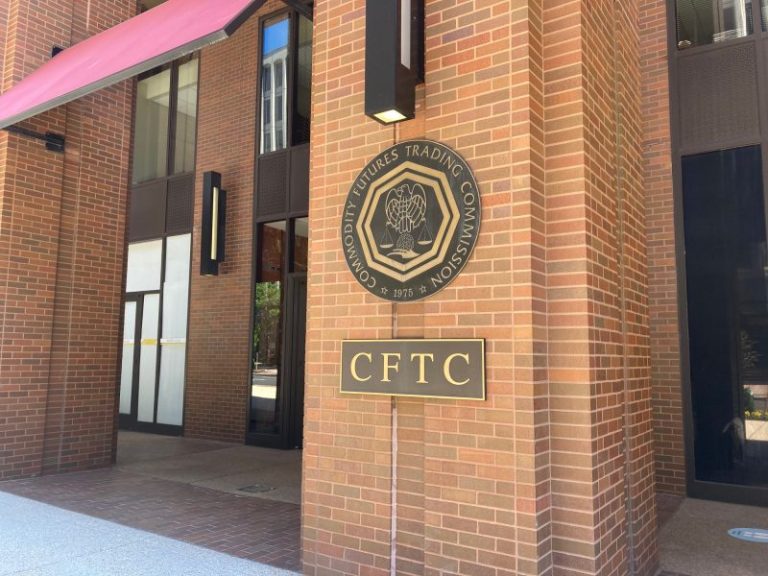
The U.S. Commodity Futures Trading Commission has issued a new advisory warning designated contract markets about deficiencies in self-certification filings for incentive programs tied to prediction markets.
The CFTC’s Division of Market Oversight published the advisory on Aug. 12, highlighting problems in an increasing number of filings submitted under Regulations 40.5 and 40.6. The agency said some submissions contain procedural and substantive deficiencies that can make it harder for staff to determine whether exchanges have properly disclosed program terms and assessed compliance with federal requirements.
The warning comes as prediction markets expand
The advisory covers market-maker, liquidity, trading and other incentive programs. It applies to both new programs and amendments or changes to existing programs.
The CFTC emphasized that exchanges must provide sufficient information for regulators to evaluate how incentive arrangements operate. The agency also reiterated that designated contract markets have self-regulatory responsibilities and must account for the specific risks associated with each product.
Prediction markets have faced increasing regulatory attention as exchanges expand event contracts across politics, sports, economics and other areas. Earlier this year, the CFTC issued broader guidance stressing surveillance, market integrity and contract-listing obligations for event contracts.
Filing quality becomes a key issue
The latest advisory does not represent a ban on incentive programs or self-certification. Instead, it reinforces the CFTC’s expectations for how exchanges should document and certify such arrangements.
The regulator said deficient filings can impede its ability to assess whether exchanges have provided adequate notice of program terms and evaluated relevant core principles. That puts greater pressure on prediction-market operators to prepare detailed submissions before launching or modifying incentive programs.
The development could raise compliance costs for exchanges while giving regulators greater visibility into programs designed to increase liquidity and trading activity.
For prediction-market operators, the message is increasingly clear: self-certification remains available, but incomplete or poorly supported filings may face closer scrutiny as the CFTC works to strengthen oversight of the rapidly growing market.